Irish Architecture: Layers of History in Stone and Story
Irish architecture is a palimpsest of ages: prehistoric ritual sites, medieval monastic complexes, Georgian terraces, and contemporary sustainable buildings coexist within a remarkably compact landscape. Each period has left its mark, shaped by politics, religion, trade, and technology. To understand Ireland’s built environment is to read a living record of how people have farmed, fought, worshipped, and worked over thousands of years.
From Prehistory to Early Christianity: The Deep Foundations
The story of Irish architecture begins long before written history. Megalithic tombs, stone circles, and ritual landscapes speak of a culture that embedded its beliefs in earth and rock. Passage tombs, with their corbelled roofs and astronomically aligned passages, reveal a sophisticated grasp of engineering and cosmology.
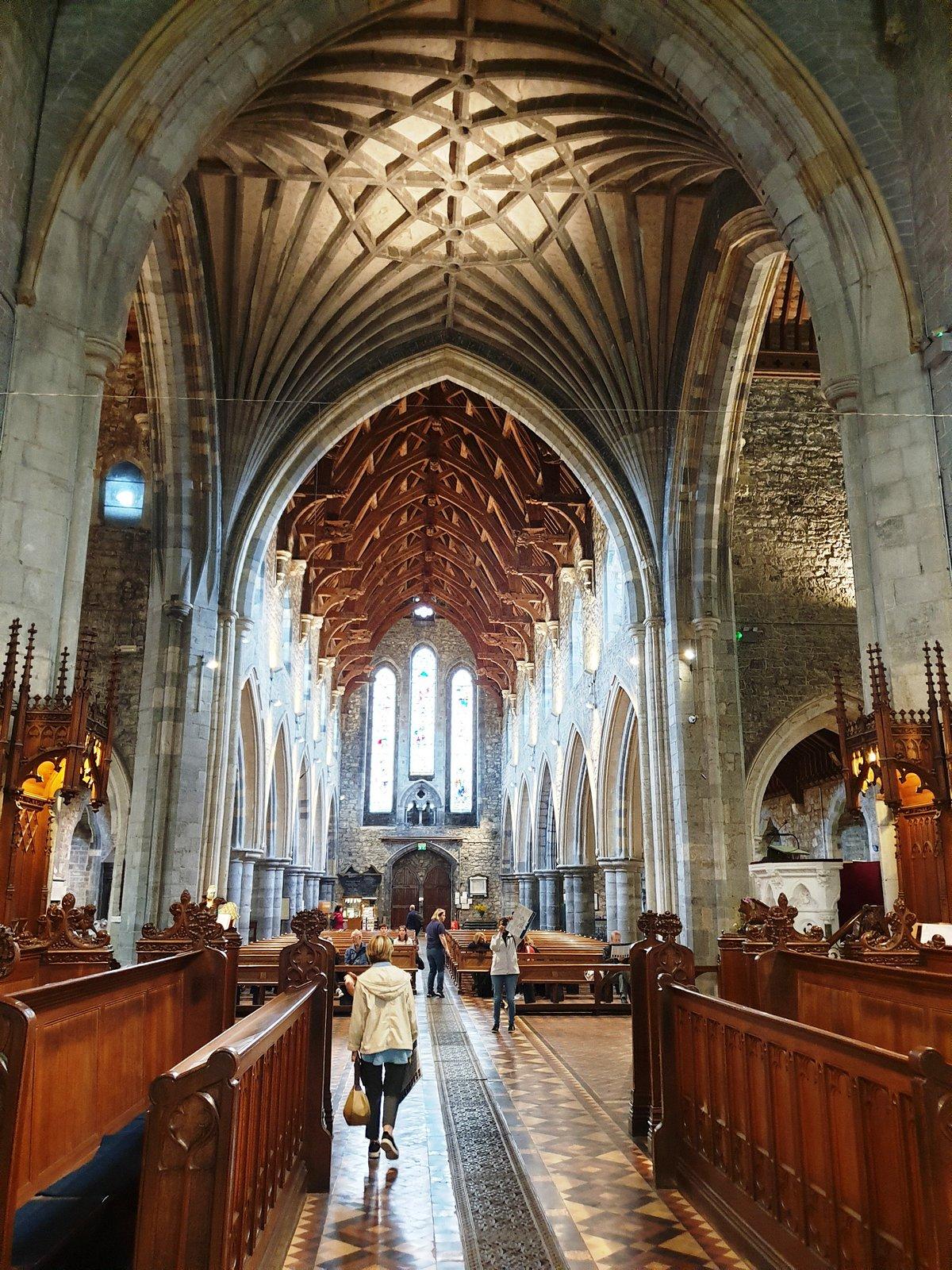
As time moved forward, Early Christian monks reshaped the landscape with monasteries that blended native craft traditions with influences from continental Europe. Round towers, beehive huts, and dry-stone oratories showed how Irish builders refined simple materials into lasting forms. Many later churches and abbeys, built in stone with carved decoration and pointed arches, were layered onto earlier sacred sites, demonstrating continuity as much as change.
Norman Strongholds and Gaelic Resilience
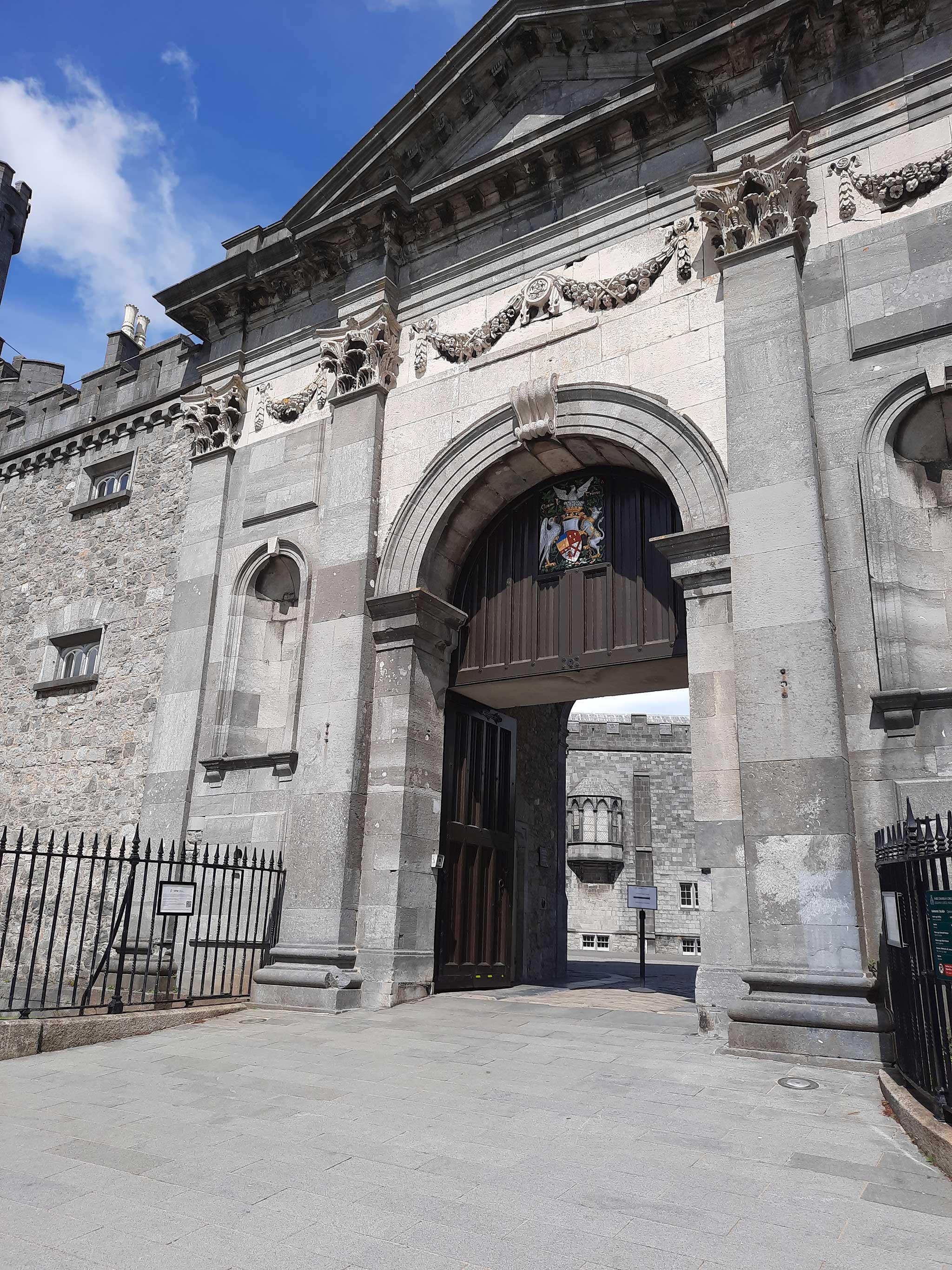
The arrival of the Normans in the 12th century introduced new architectural types: stone castles, fortified towns, and Romanesque churches. Great keeps and curtain walls rose across the landscape, asserting authority through height and mass. Motte-and-bailey structures were quickly replaced by more permanent stone fortifications that signalled long-term control.
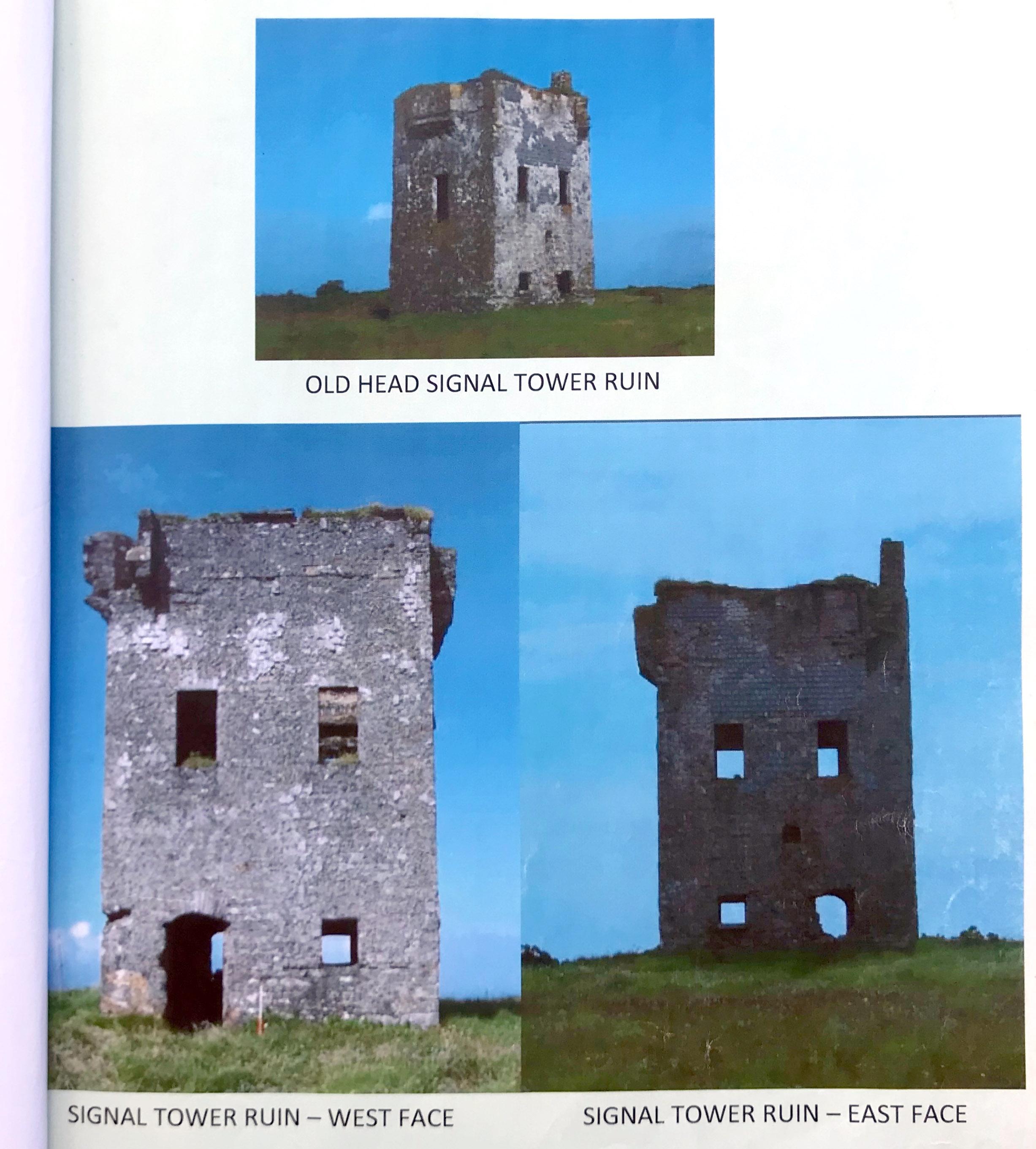
Alongside these bastions of power, the older Gaelic tradition of tower houses emerged and flourished. These smaller, vertically oriented residences balanced defence with domesticity. Their thick walls, narrow windows, and spiral staircases reveal a world where feuding, cattle raiding, and local alliances shaped domestic design just as much as climate or craft.
Ennis, Co. Clare: A Town That Tells Its Own Architectural Story
Ennis, the historic county town of Clare, offers a compact microcosm of Irish architectural evolution. Its streets and squares trace the transition from a medieval settlement focused on a friary to a bustling modern town of shops, schools, and civic buildings.
The Medieval Core: Friary and Narrow Streets
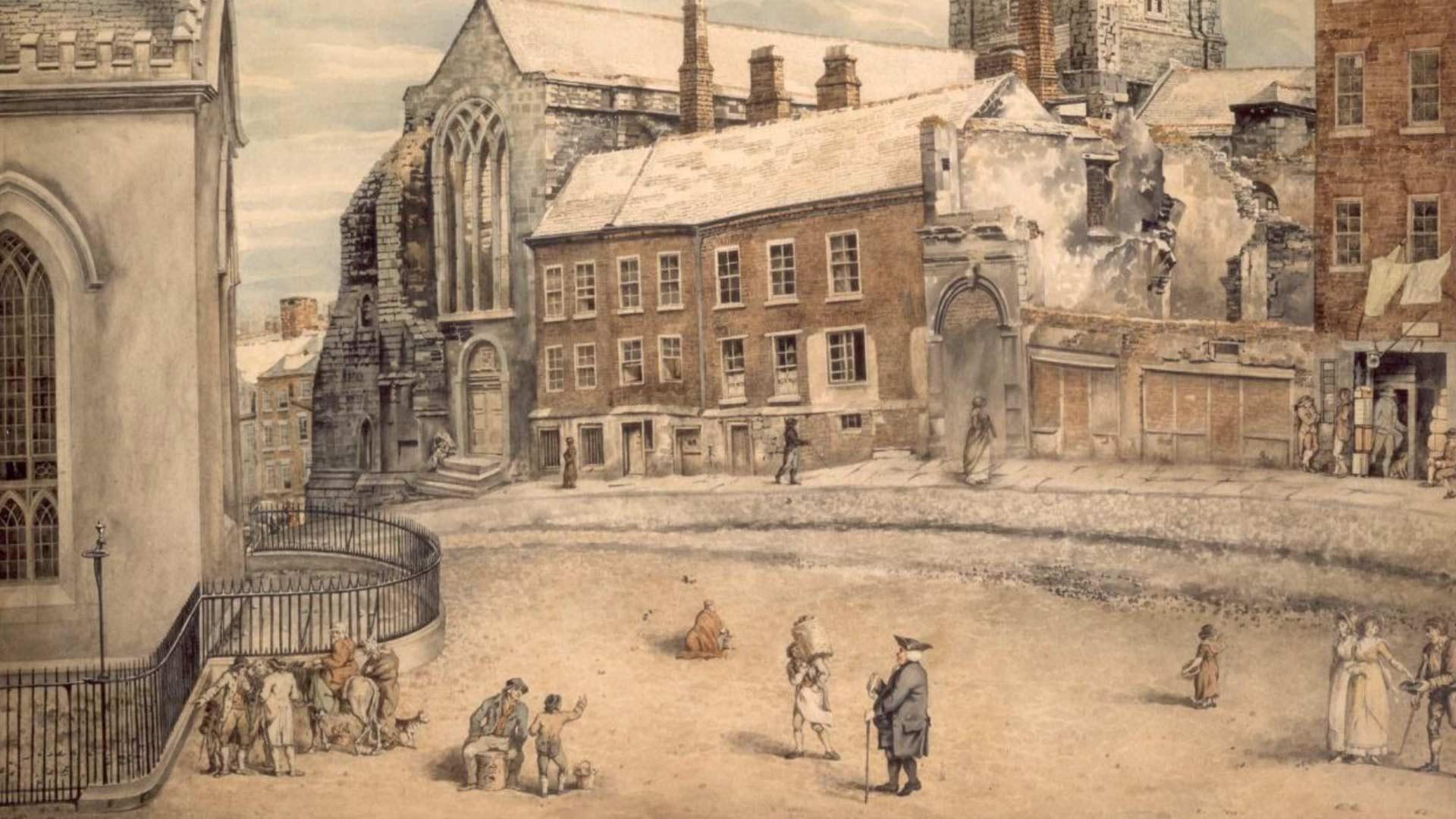
At the heart of Ennis lies its medieval friary, founded in the 13th century. The surviving cloister, church, and carved tombs are reminders of a time when the town grew up around religious life and river trade. Early lanes and alleys emerged organically rather than according to a formal plan, creating a characterful, irregular street pattern that still shapes movement today.
Many of the plots that line the older streets trace back to this period. Even where original medieval buildings have disappeared, the narrow frontages and long, thin sites they occupy reveal their ancient origins. Over centuries, that basic framework has been refilled and altered, but the underlying pattern endures.
Market Streets and Georgian and Victorian Facades
As Ennis grew in the 18th and 19th centuries, commercial prosperity left a visible imprint. Two- and three-storey townhouses with sash windows, fanlighted doorways, and rendered facades replaced many earlier structures. Market squares and widened streets improved circulation and created better settings for fairs and trade.
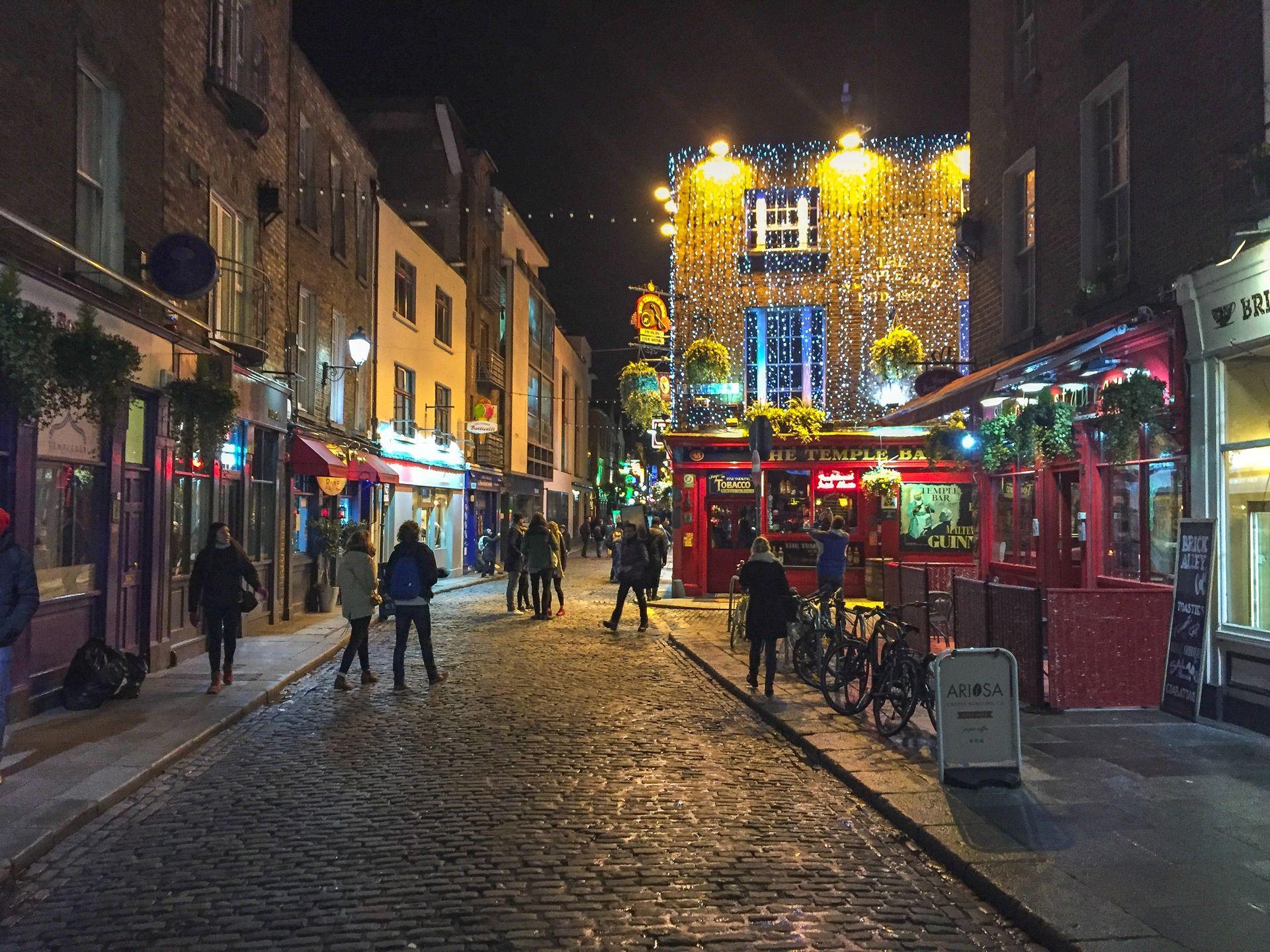
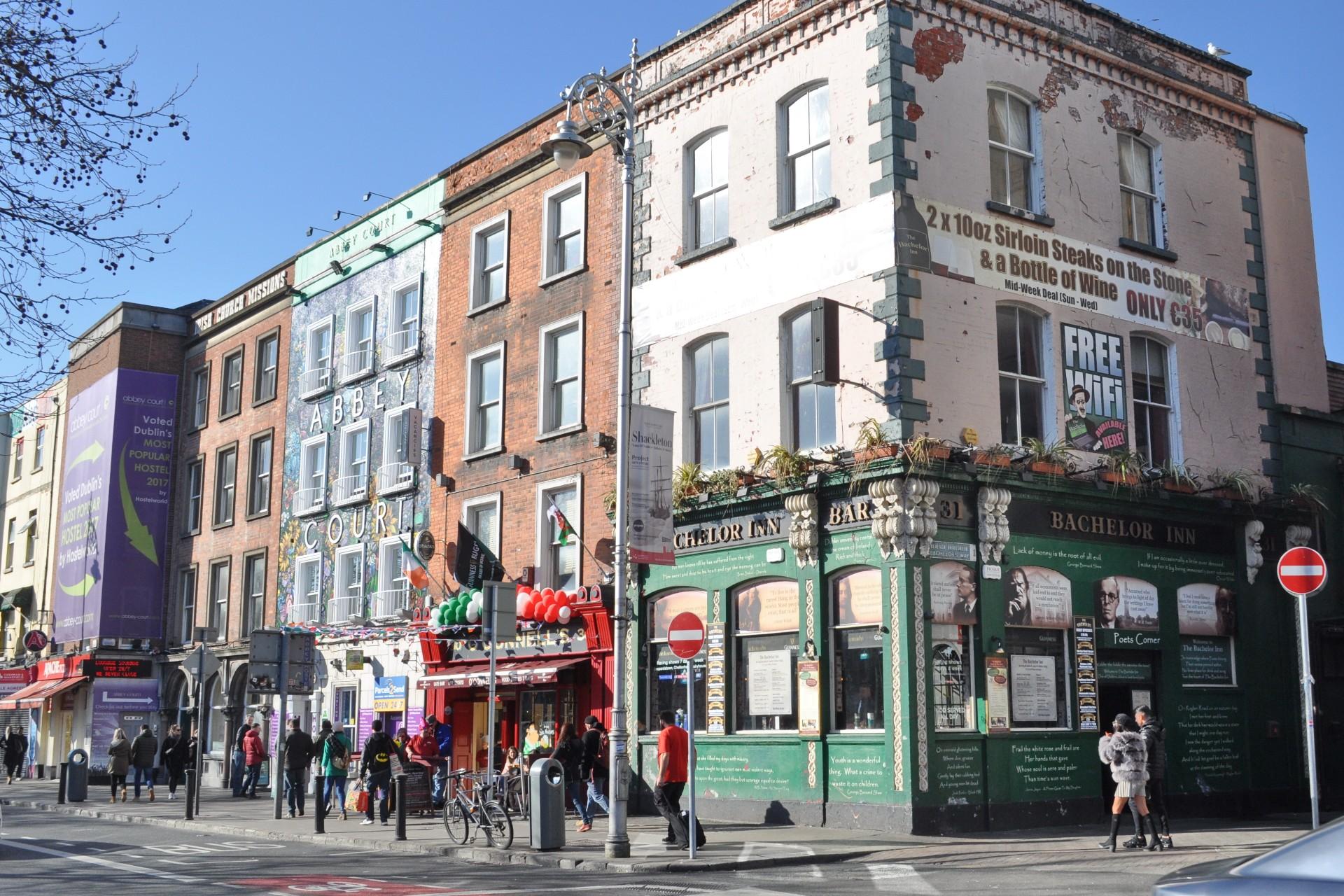
Shopfronts became a defining feature. Many were updated repeatedly, with timber surrounds, large display windows, and later Victorian detailing layered over older masonry. Behind these frontages, the mix of stone walls, brick linings, and timber floors tells a multi-period story. Some civic buildings adopted classical proportions and restrained ornament, reflecting broader European tastes and a desire for order and permanence.
Modern Adaptations: Ennis in the 20th and 21st Centuries
In the 20th century, Ennis responded to rising traffic levels, new commercial expectations, and the expansion of public services. Buildings were heightened, shopfronts modernised, and some older structures replaced with simpler, functional premises. Concrete and steel discreetly joined stone and brick, often hidden behind rendered or tiled facades.
Later, awareness of heritage and character led to a more conservation-minded approach. Historic shopfronts were restored, streetscapes were upgraded with paving and lighting, and adaptive reuse of older buildings became a priority. Former warehouses and houses now host offices, cultural spaces, and eateries. The town’s evolution shows how Irish architecture can change without losing the underlying grain that gives a place identity.
Castlebar, Co. Mayo: A Century of Change Captured in Old Photographs
Castlebar’s architectural journey over the last hundred years can be traced vividly through historic photographs. Comparing images from the early 20th century with today’s townscape reveals how social, economic, and technological shifts have reshaped streets, skylines, and everyday life.
Main Streets, Shopfronts, and Civic Buildings
Early photographs typically show a market town of modest two-storey buildings, many with simple render, sash windows, and timber doors. Shopfronts bear hand-painted signs, and the unhurried presence of carts, bicycles, and pedestrians dominates the streets. Over time, these facades gain new signage, display windows, and later on, neon and plastic elements that mirror changing retail culture.
Civic buildings evolve too. Structures such as courthouses, churches, and schools often appear as visual anchors in old images, relatively unchanged in silhouette but altered by new roofing, restored stonework, or accessibility features. Some streets that once hosted weekly markets or fairs have become traffic routes, with road markings, parking, and lighting transforming their appearance and function.
Suburban Growth and New Building Types
Photographs from the mid-20th century onwards reveal the spread of housing estates beyond the older centre of Castlebar. Semi-detached houses with front gardens, cul-de-sacs, and community greens replace fields and hedgerows at the town’s edge. This shift reflects broader Irish trends: rising car ownership, new building materials, and an emphasis on suburban living.
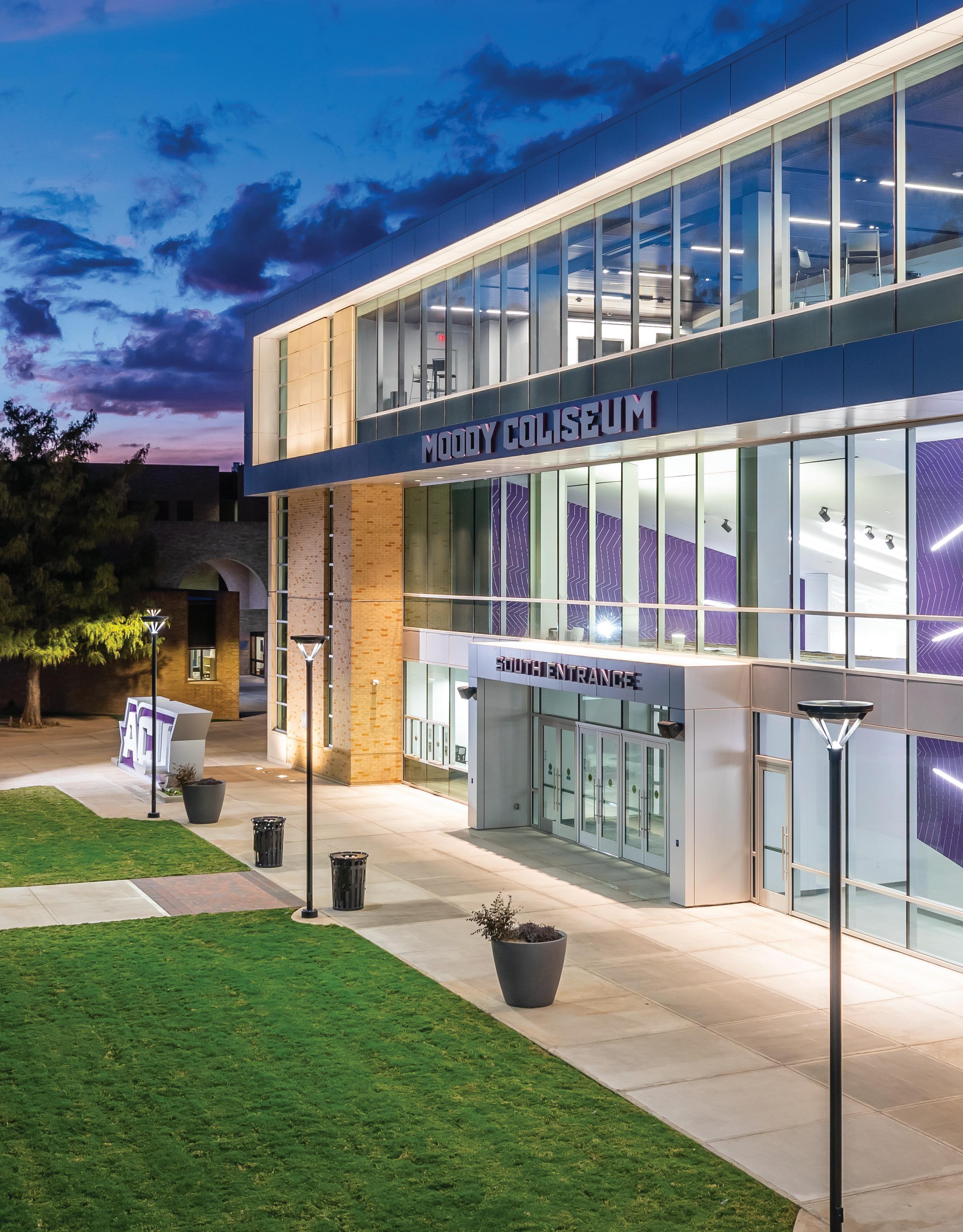
Later images introduce industrial estates, modern schools, and sports facilities. Flat roofs, metal cladding, and large-span structures mark a break from the traditional pitched-roof streetscape of the core town. Even so, visual connections remain: familiar church spires and older civic buildings still appear in the distance, tying new developments back to their historic context.
Memory, Modernisation, and the Value of Old Photos
Old photographs of Castlebar are more than nostalgic curiosities; they are architectural documents. They show lost buildings, earlier versions of familiar streets, and incidental details such as signage and surface treatments that rarely survive in the physical record. By comparing these images over a century, patterns emerge: gradual consolidation of plot lines, the replacement of thatch with slate or tile, and the steady encroachment of motor traffic into once-pedestrian spaces.
In many Irish towns, such visual archives guide conservation strategies. Photographs help inform decisions about how to restore facades, which traditional colours and materials to choose, and where modern interventions can sit most comfortably. Castlebar’s photographic history shows how careful documentation can support a thoughtful blend of old and new.
The Wider Canvas: Historic Buildings Across Ireland
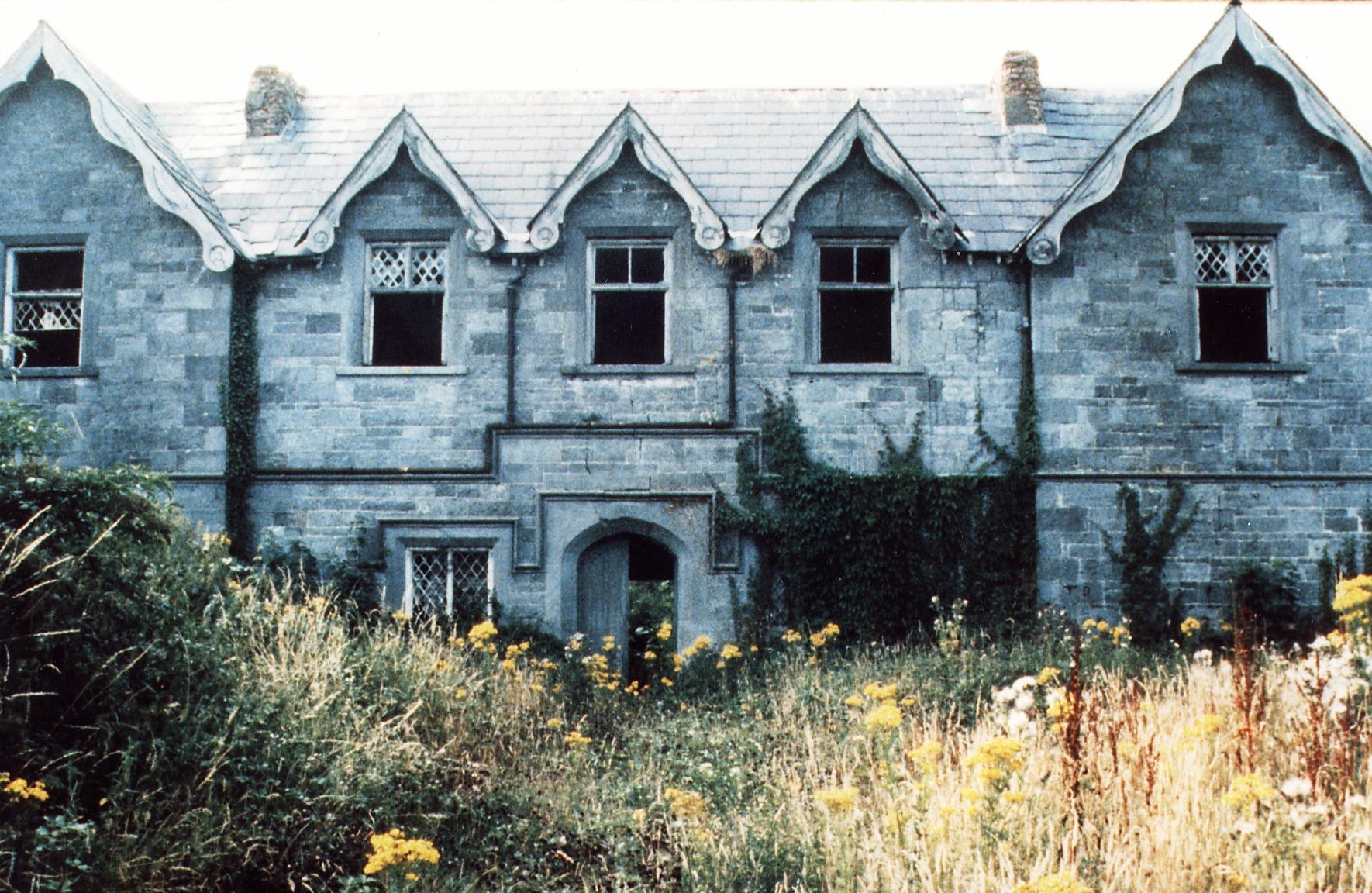
Beyond individual towns, Ireland is dotted with buildings that encapsulate key moments in its history. From fortified tower houses to elegant country houses and from simple labourers’ cottages to robust industrial structures, each type reflects changing technologies, beliefs, and aspirations.
Castles, Country Houses, and Urban Grandeur
Medieval castles reveal shifting priorities from pure defence to demonstration of status. Early keeps emphasised strength and control, while later fortified houses and manor houses introduced larger windows, more comfortable interiors, and landscaped surrounds. As confidence in central authority grew and external threats receded, defensive features gave way to display.
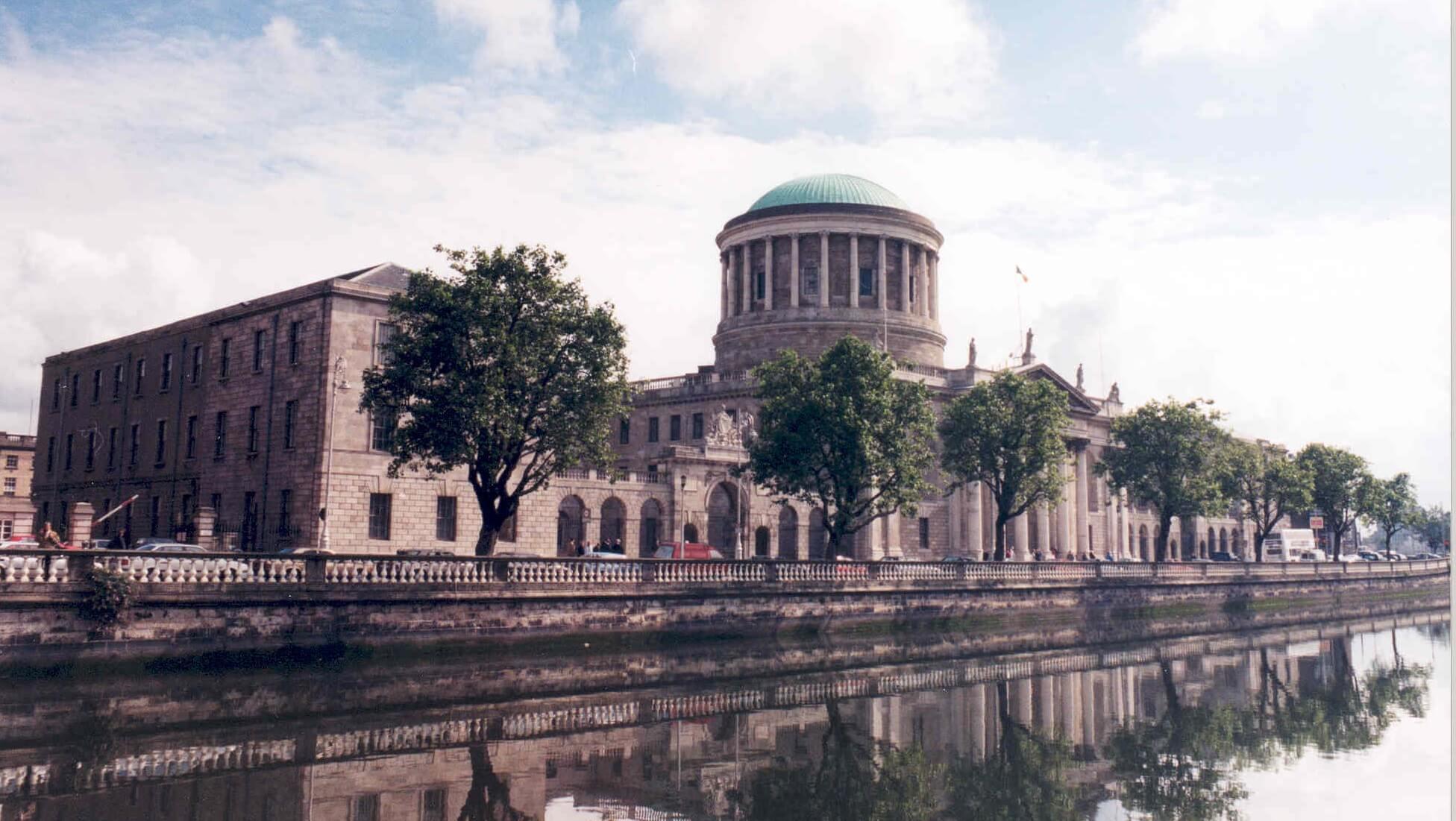
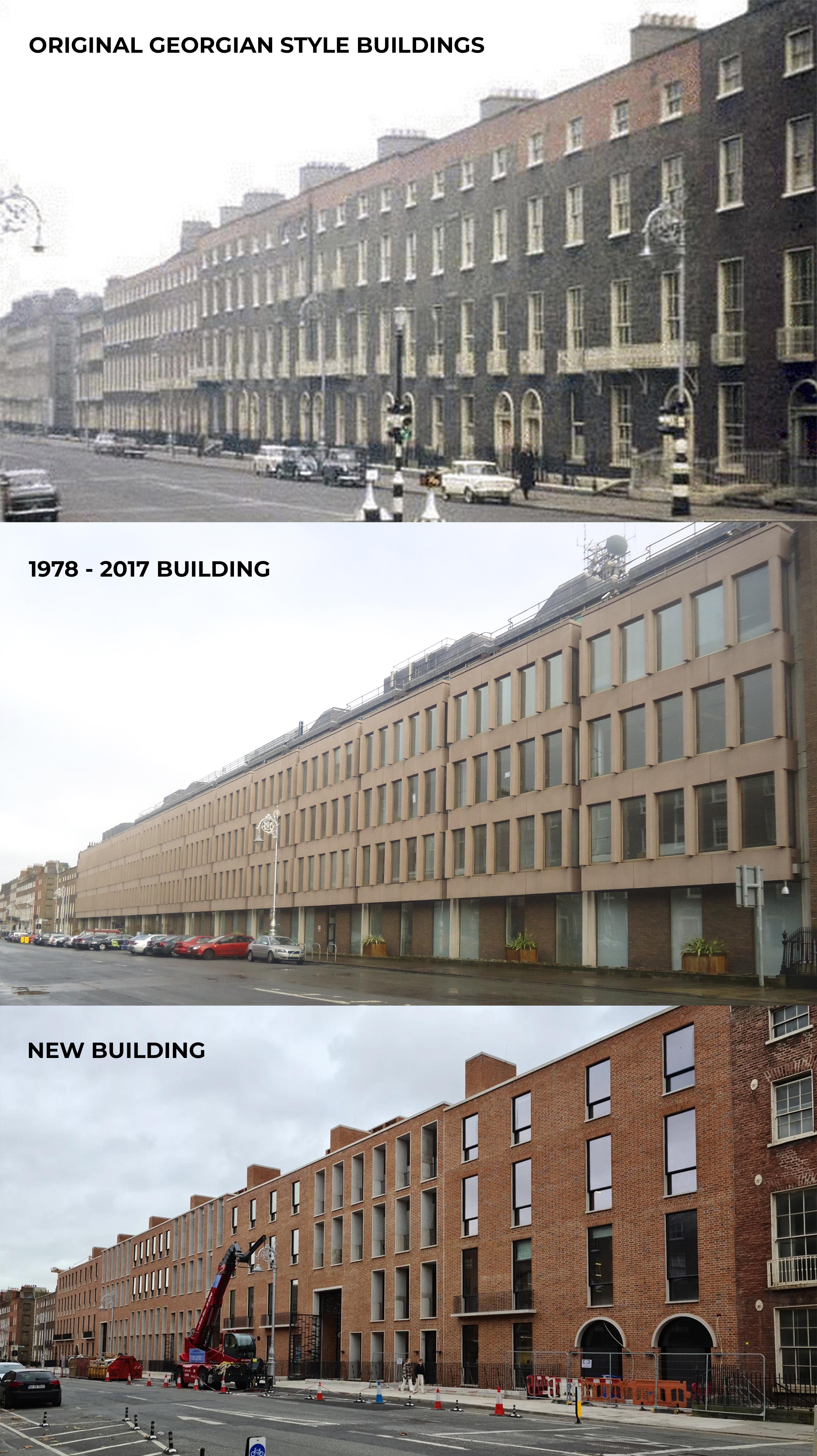
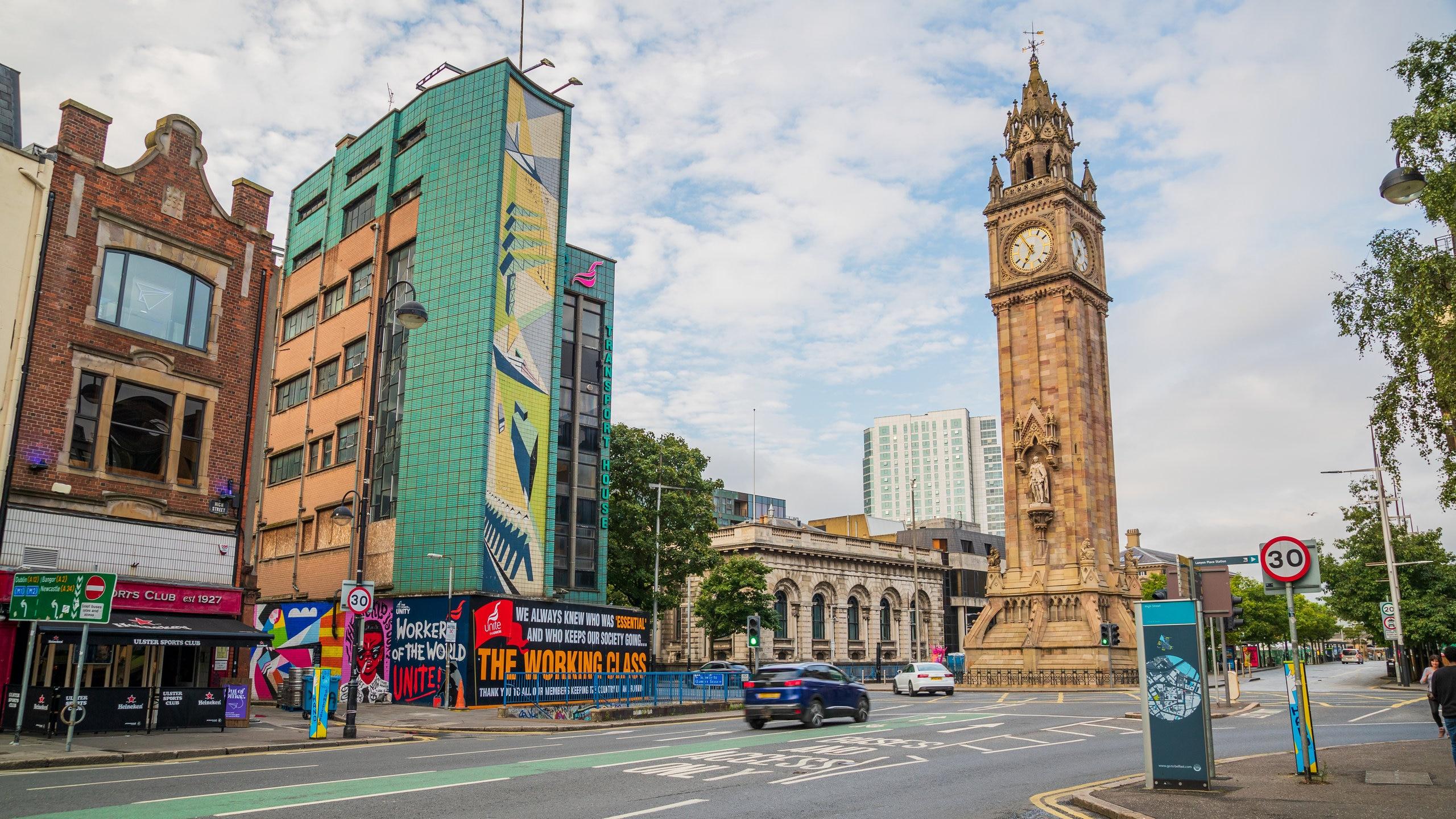
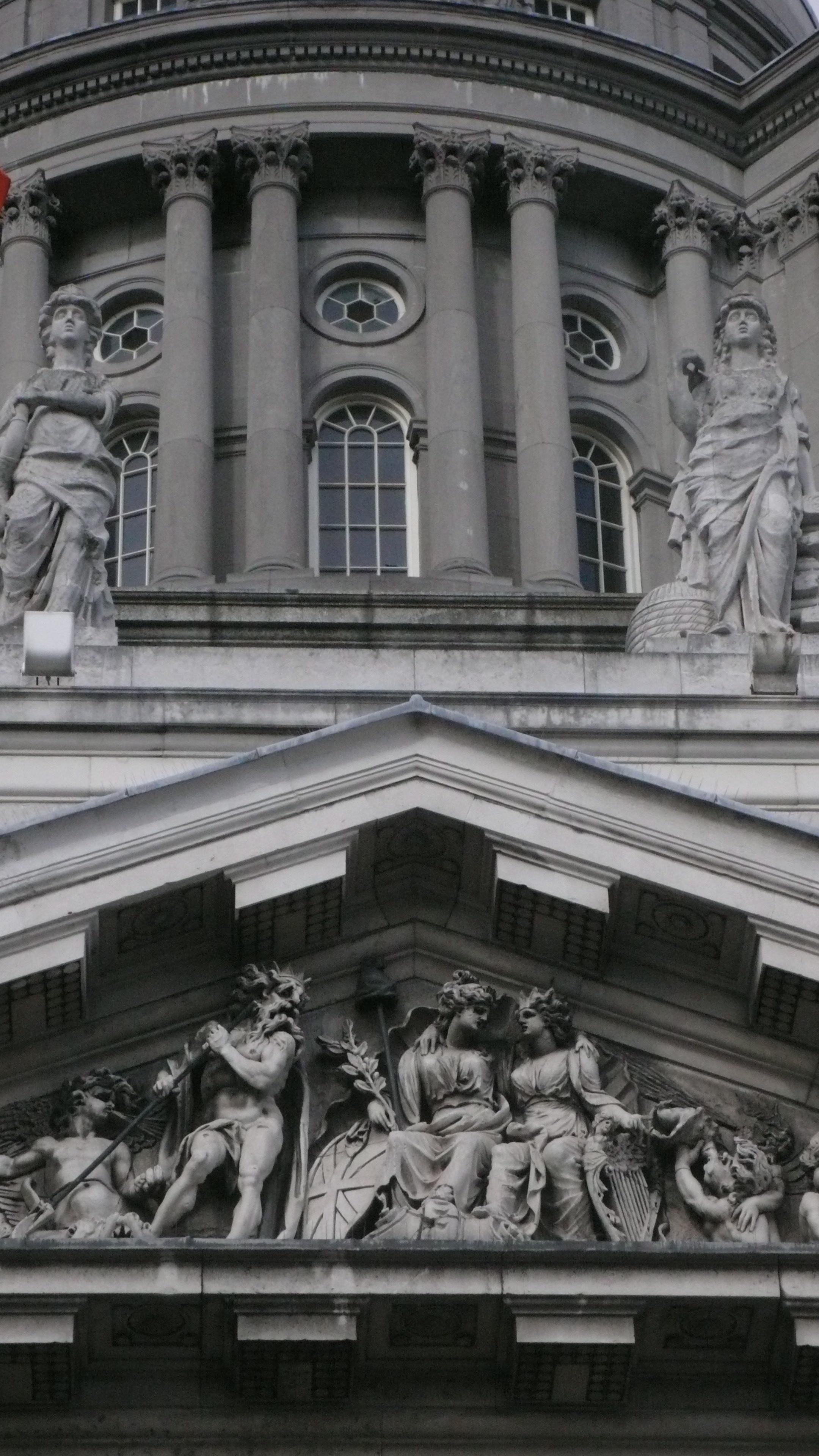
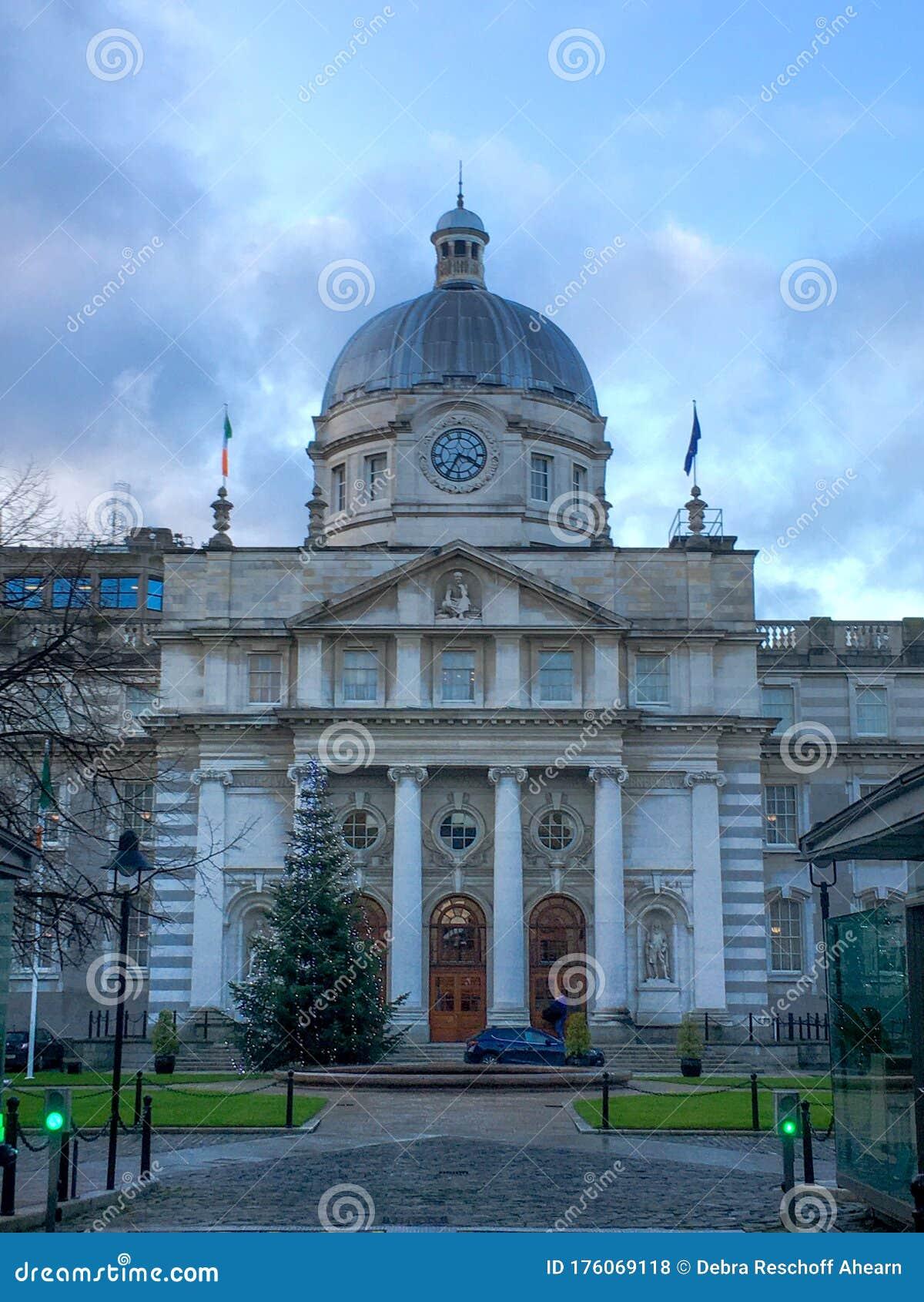
In cities and larger towns, the Georgian and Victorian periods brought terraces, squares, and civic landmarks. Symmetry, proportion, and regular rooflines created a sense of order that contrasted with the organic forms of older medieval streets. Public buildings such as courthouses, custom houses, and railway stations carried classical or Gothic motifs that signalled both ambition and alignment with broader European cultural movements.
Everyday Architecture: Cottages, Farmsteads, and Industrial Structures
Equally important are the modest buildings that formed the backdrop to everyday life. Traditional Irish cottages, with their thick walls, small windows, and thatched or slated roofs, evolved in response to climate, local materials, and economic necessity. Farmsteads organised around yards, byres, and barns show how work and domestic life intertwined.
The industrial age left its own marks: mills, warehouses, quays, and later factories and power stations. Many of these structures, built in stone or brick with carefully proportioned openings, are now being repurposed as cultural venues, homes, and workplaces. Their generous spaces and robust construction lend themselves to new uses while preserving traces of earlier livelihoods.
Ancient Egypt and Ireland: Distant Civilisations, Shared Fascination with Monumentality
While Ireland and Ancient Egypt developed independently, both cultures expressed identity and belief through enduring architecture. Massive stone tombs, temples, and ceremonial landscapes in Egypt speak of divine kingship and cosmic order. In Ireland, megalithic monuments and later early Christian sites encode cosmology and belief at a different scale but with a similar drive to connect earth, sky, and the afterlife.
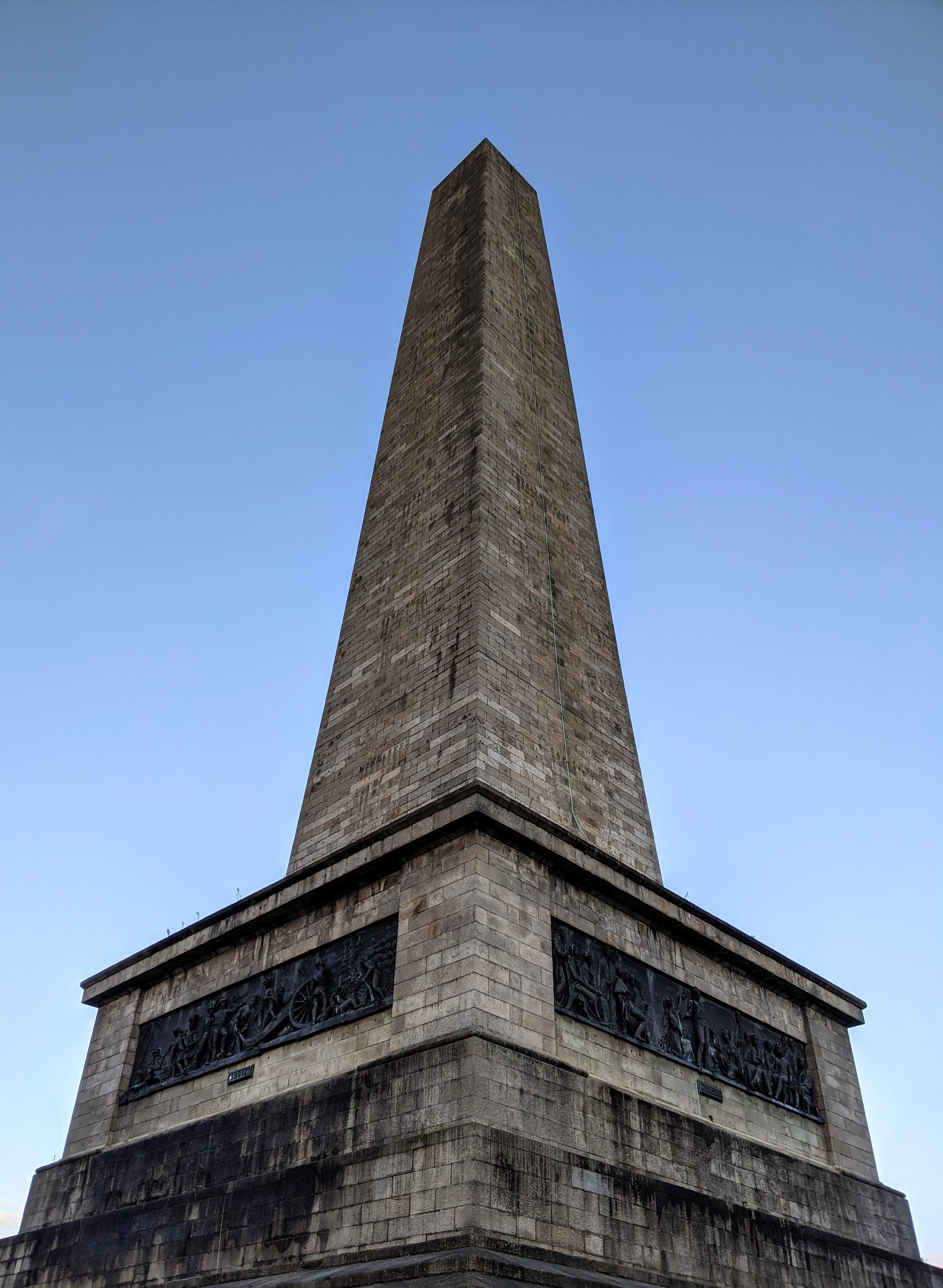
The 19th and early 20th centuries saw strong Irish interest in Egyptian forms. Obelisks, sphinx motifs, and stylised lotus or papyrus decoration occasionally appeared in memorials, cemetery architecture, and even decorative schemes. This fascination reflected a wider European curiosity about the ancient world and a desire to link contemporary institutions with the perceived timelessness of pharaonic monuments.
Architecturally, the comparison highlights a universal human impulse: to use built form to speak across generations. Whether through pyramids, passage tombs, or high crosses, societies invest extraordinary effort in creating structures that will outlast individual lifespans and bear cultural meaning long after their builders are gone.
World War II and the Irish Built Environment
Radio broadcasts and sound archives from World War II capture a period when much of Europe’s architecture faced unprecedented destruction. In contrast, Ireland, officially neutral, avoided the large-scale bombing that transformed many continental and British towns and cities. Even so, the war years had architectural consequences.
Material shortages, economic constraints, and uncertainty slowed new construction and encouraged repair and adaptation of existing buildings. Some coastal and defensive structures were strengthened or repurposed, while air-raid shelters and lookout posts appeared in strategic locations. Rural and small-town Ireland, relatively insulated from direct attack, still felt the war’s architectural impact through delayed modernisation and the postponement of many building projects.
In the post-war years, Ireland confronted the same challenge as many other countries: balancing the desire for modernity, improved housing, and new infrastructure with the inherited building stock that had, by chance more than design, survived wartime intact. This tension helped shape later debates about preservation, redevelopment, and the value of historic townscapes.
Archaeology and Architecture: Reading the Ground Beneath the Walls
Archaeology plays a crucial role in revealing the full story of Irish architecture. Excavations, surveys, and careful analysis of building fabric show that what appears to be a single structure often masks multiple phases of construction, repair, and reuse. A church may stand on an earlier burial ground; a modern house may incorporate stones from a vanished tower house; a streetscape might conceal medieval plot lines beneath modern facades.
Archaeologists and architectural historians work together to interpret these layers. Techniques such as stratigraphic excavation, architectural recording, and material analysis help date structures and identify phases of change. This evidence guides conservation, informs planning decisions, and deepens public understanding of how places have evolved.
In towns like Ennis and Castlebar, archaeological work frequently accompanies infrastructure upgrades or redevelopment projects. Finds uncovered during such works—walls, drains, artefacts, or earlier foundations—add nuance to written records and oral histories, ensuring that new development builds on knowledge rather than erasing it.
Contemporary Ireland: Sustainability, Memory, and Design
Contemporary Irish architecture faces the dual challenge of addressing present needs while respecting a densely layered past. Energy efficiency, climate resilience, and inclusive design are now central concerns, prompting new materials and techniques. Yet successful projects often take their cue from historic forms: using local stone, referencing traditional roof pitches, or aligning new streets with established routes.
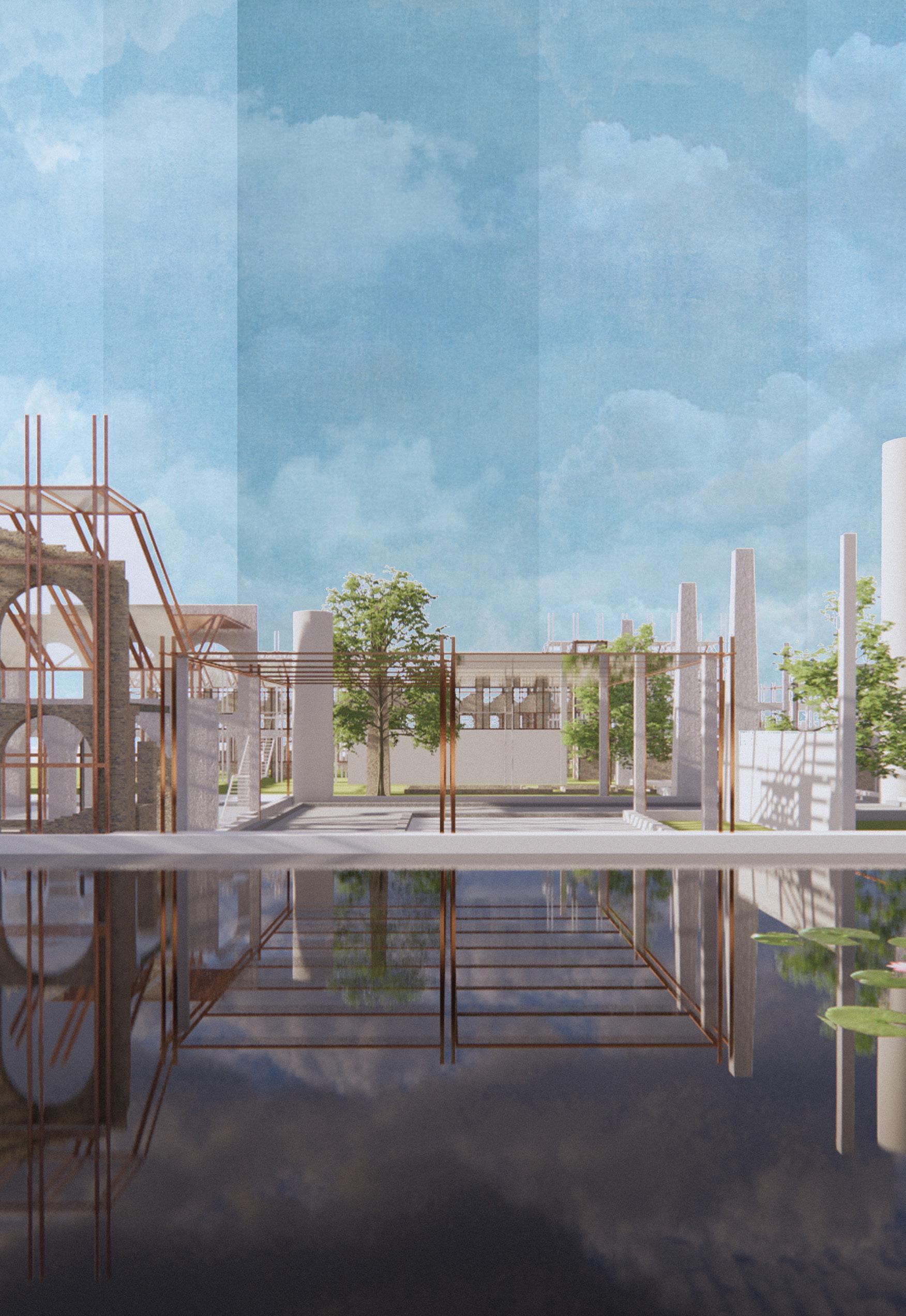
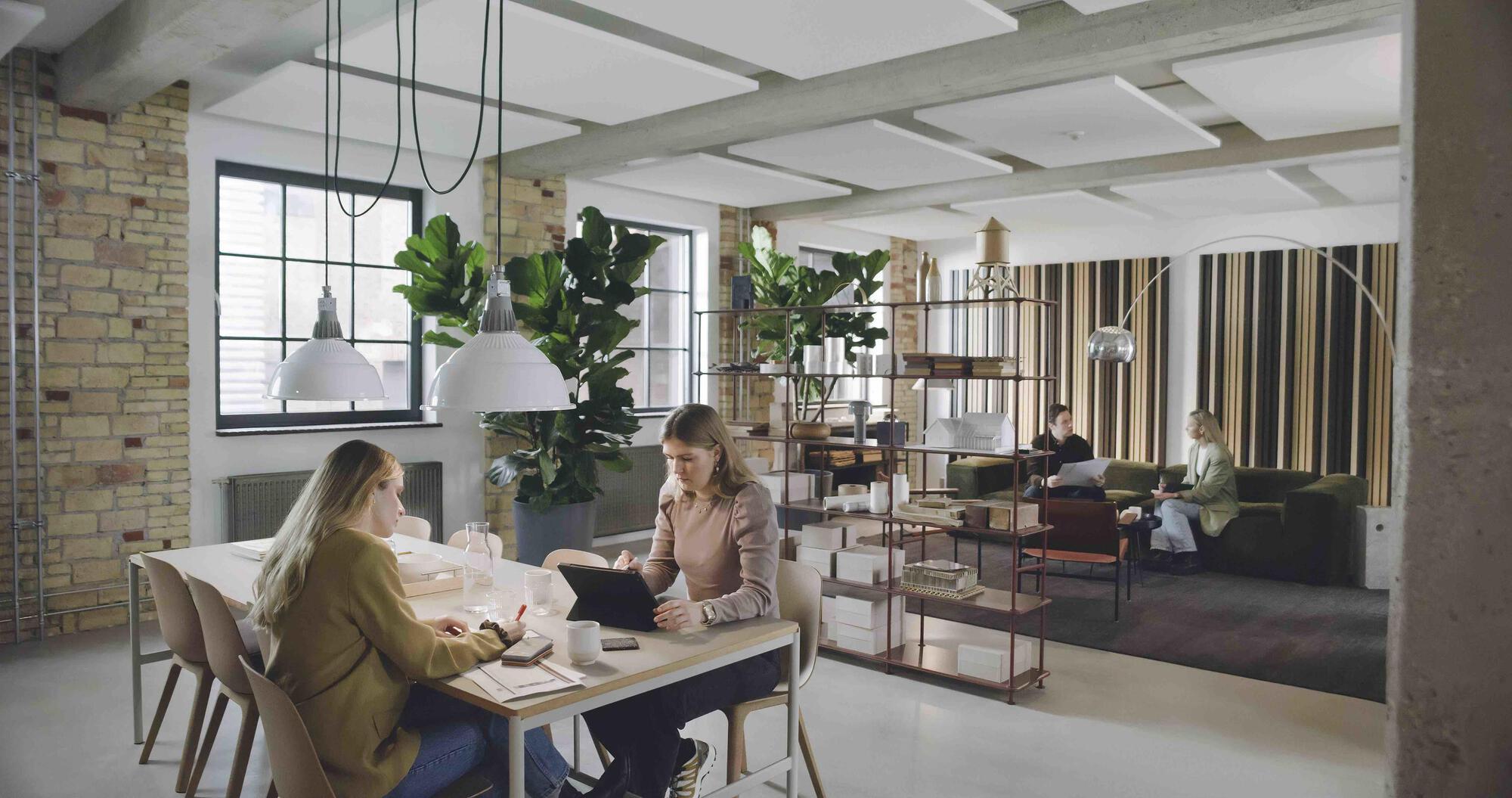
Adaptive reuse has become a key strategy. Historic mills become apartment complexes; former churches host cultural spaces; old schools are transformed into community hubs. In this way, the physical fabric of history remains visible while fulfilling modern requirements, reducing waste and strengthening local identity.
Across Ireland, the most celebrated recent buildings often show a quiet respect for their surroundings. Instead of overpowering historic neighbours, they frame views, echo proportions, or contrast carefully with older textures. The result is an evolving architectural conversation between past and present.