The Journey of Architectural Excellence: Dublin's Legacy
The city of Dublin, with its profound architectural heritage ranging from medieval structures to 20th-century edifices, boasts a variety of architectural marvels. The tapestry of Dublin’s architecture offers insights into its historical and cultural evolution, a perspective that NORD Architecture's design triumph acknowledges.
The Quintessence of the 19th Century: Heuston Station
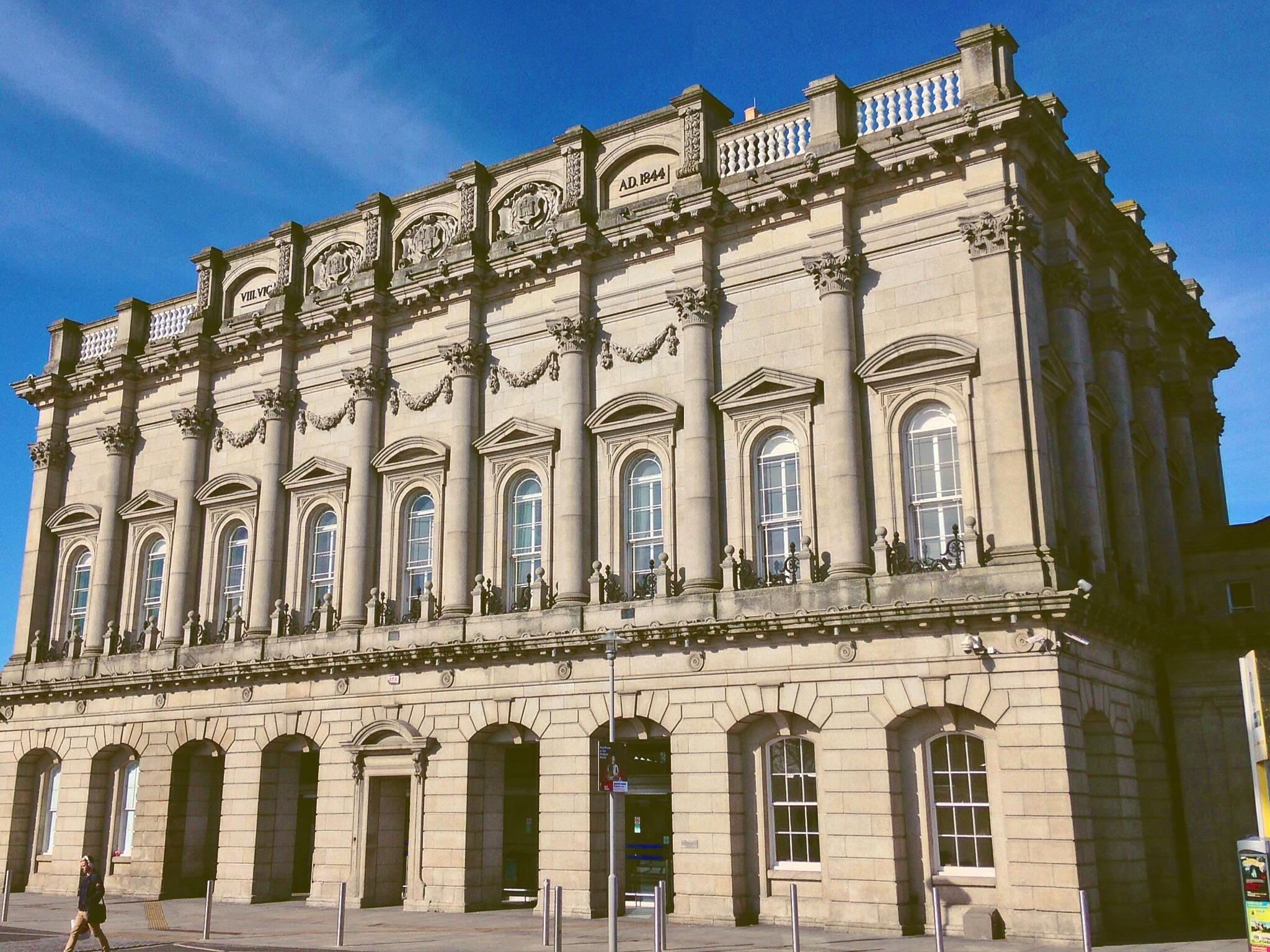
Among Dublin's iconic landmarks is Heuston Station, a brainchild of the 19th-century English architect Sancton Wood. Commissioned in 1846, Heuston Station excels in exemplifying the grandeur of an Italian palazzo, echoing the splendors of a bygone era through its remarkable Corinthian columns and ornate decoration.
Mastermind Architect: Sancton Wood
Sancton Wood's vision for Kingsbridge Station, now known as Heuston Station, serves as a testament to architectural innovation. The station's main block, designed to disguise the train shed created by Sir John McNeill, stands as a gem of structural design, reflecting Wood’s ingenuity.
Revitalizing the Grand Terminal
Despite budget constraints halting the completion of its interior and rear, Heuston Station is currently undergoing a renaissance. A contemporary transformation, inclusive of new pedestrian entrances and extended station sheds, is breathing new life into the 19th-century terminal, catering to modern-day needs while respecting its historical essence.
Exploring the Rich Architectural Heritage of Dublin
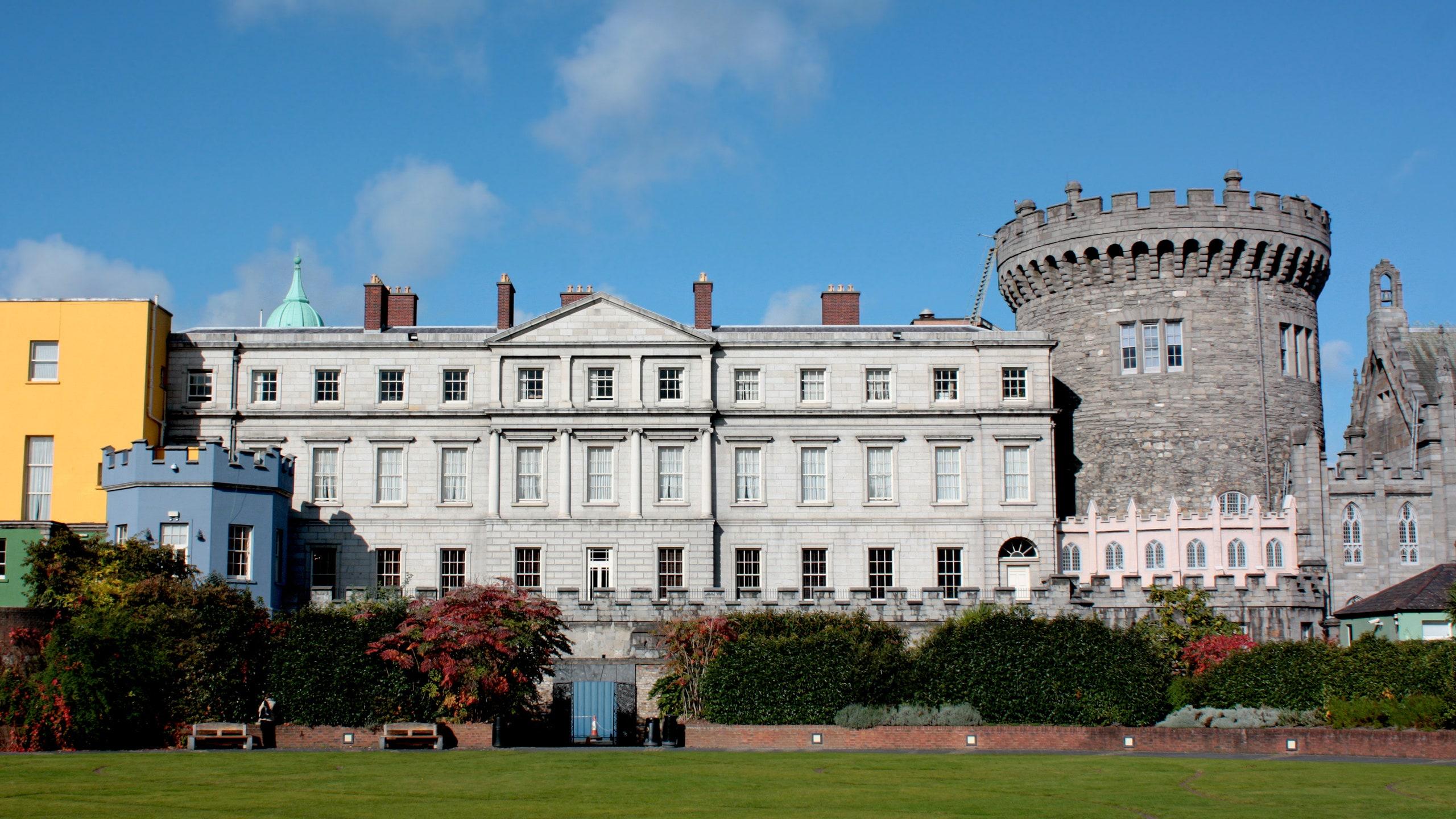
Dublin's architecture reflects its history, from the medieval simplicity to Georgian opulence. Landmarks such as the Gothic-revival Dublin Castle, the academic spires of Trinity College, and the vibrant lifestyle of Temple Bar mark the city's development and resonate with its inhabitants and tourists alike.
Development and City Planning over the Centuries
From heritage bridges to the carefully crafted Georgian doorways and the historically significant street names, each element of Dublin's cityscape tells a unique story of planning and evolution.
Famous Personalities in Dublin's Architectural Saga
The city's architectural biography would be incomplete without acknowledging the influential figures, like Sancton Wood, who have shaped its skyline. These biographies serve as a reminder of Dublin’s identity, etched into each stone and every facade.
Enhancing the Connection with NORD Architecture’s Win
NORD Architecture's recent accomplishment in winning the architectural competition for the new Wexford County Council Headquarters harkens back to the legacy of Sancton Wood and the transformation of Dublin’s historical marvels, fostering a continued appreciation for the city's rich architectural narrative.
Travel and Architecture: A Symbiotic Relationship
Architecture, by its very nature, plays a pivotal role in the world of travel. The new design of the Wexford County Council Headquarters by NORD Architecture not only signifies progression but also beckons tourists and architecture enthusiasts to explore the evolving narrative of Irish architecture, forming a seamless synergy between the realms of travel and architectural discovery.
Dublin
London
Pefkochori