The Historic Roots of Christ Church Cathedral
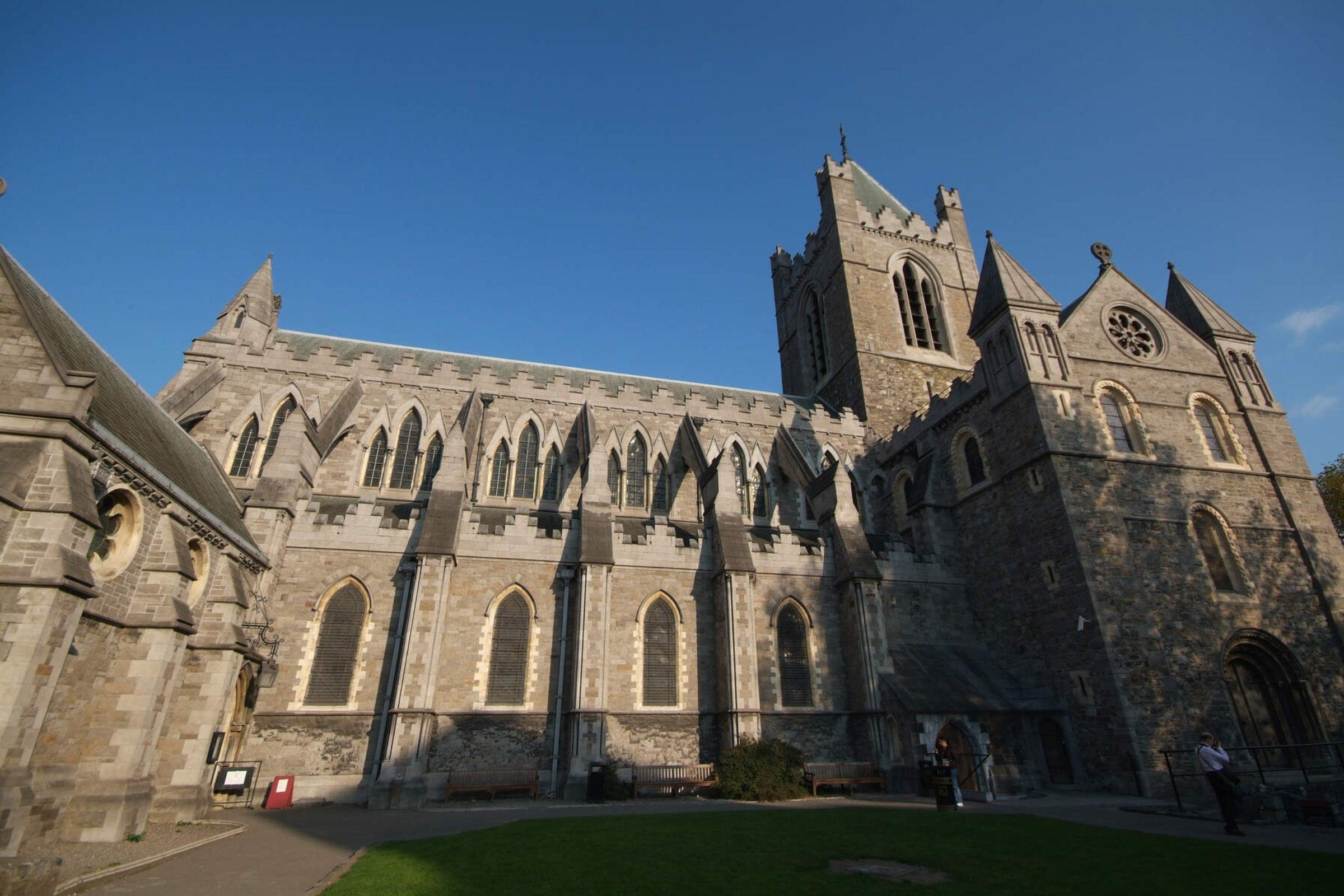
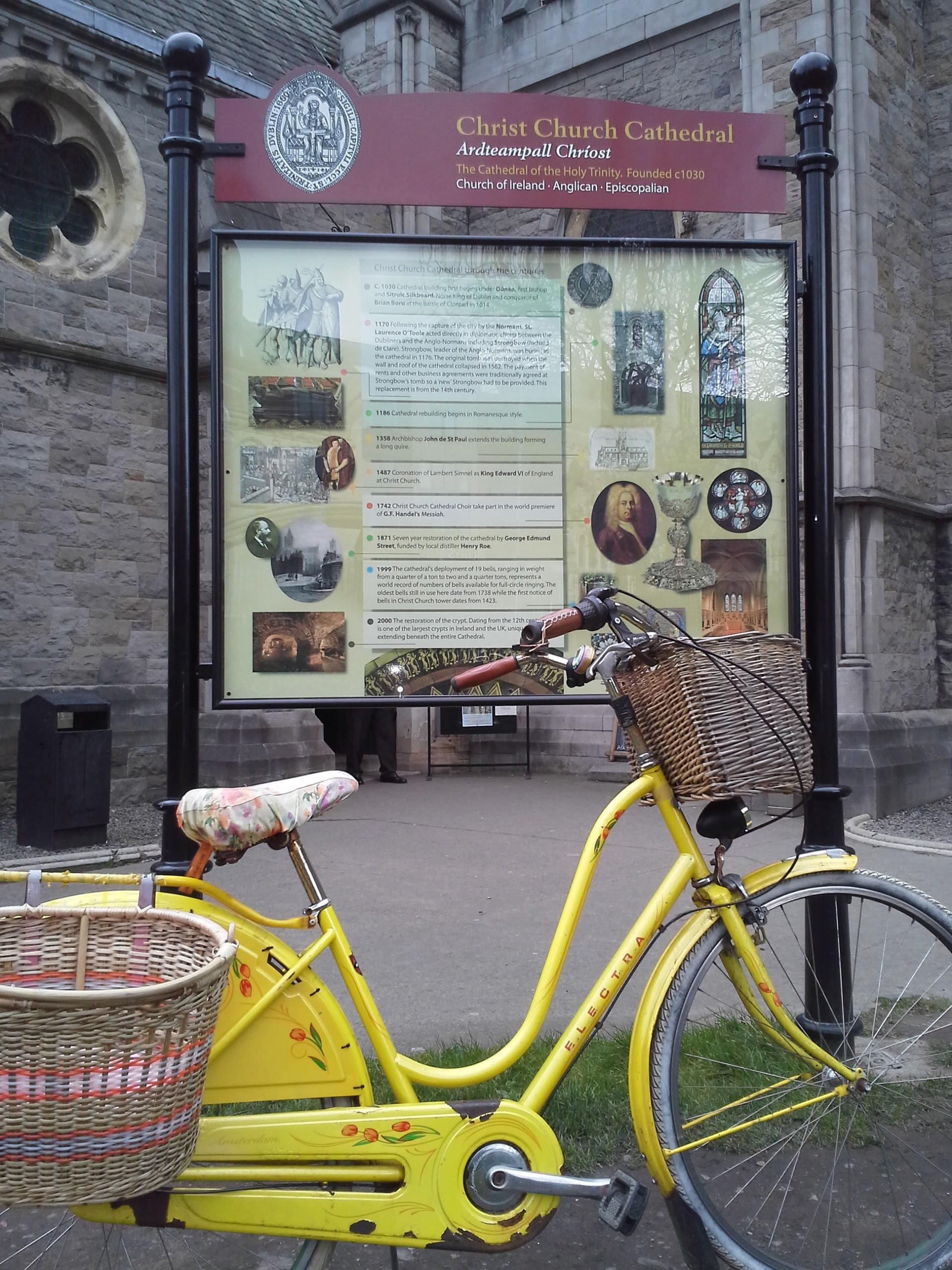
With a legacy that whispers from its ancient stones, Christ Church Cathedral is not just the principal place of worship for the Church of Ireland's Diocese of Dublin and Glendalough, but also a storied landmark that chronicles Dublin’s Viking origins. The site's history stretches back to around 1038, when Viking settlers first erected a cathedral, marking the dawn of this spiritual beacon.
The Norman Influence and Architectural Emulation
The fabric of the current building took shape in 1172, a result of the concerted efforts of Archbishop O'Toole and the legendary Norman knight, Richard de Clare—better known as Strongbow. Their vision drew heftily from European design, as they fashioned the cathedral's canons into Augustinian monks, a reflection of ecclesiastical trends far beyond Ireland's coasts.
Reformation and Evolution
As the tumult of the Reformation engulfed England, the church's roots were inevitably shaken. Ireland's bishops, aligning with the English church's newfound independence from Rome, paved the way for the last Augustinian prior to transition into the role of the first dean of the cathedral.
A Tapestry of Restorations
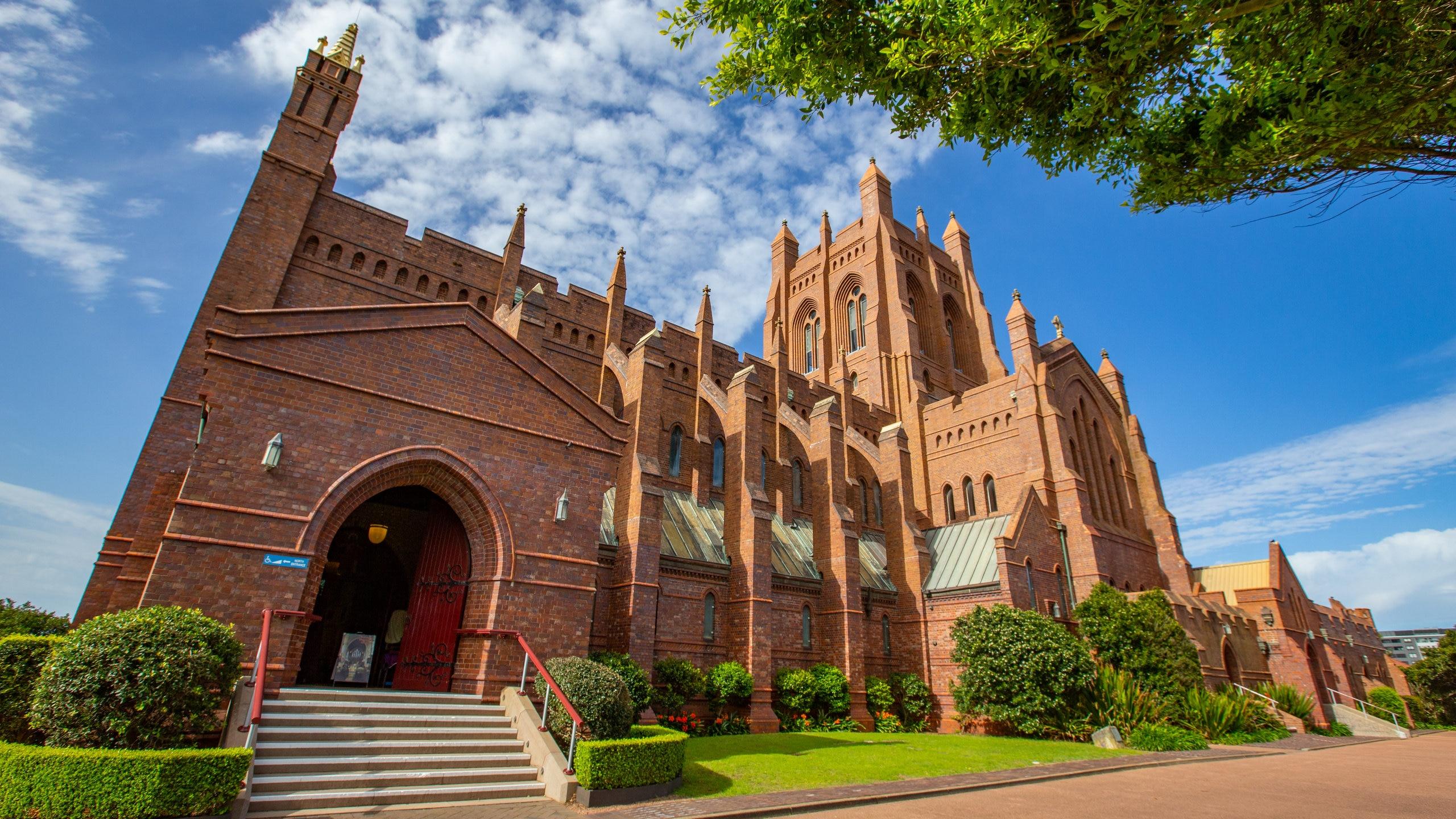
Through time's relentless march, Christ Church Cathedral has been rejuvenated several times—specifically in 1358, 1562, 1829, and most notably in 1871. The latter 19th-century restoration enveloped the building in a Victorian embrace, a facelift bestowed by English architect George Edward Street.
The Extravagant Victorian Restoration by G.E. Street
George Edward Street's vision for Christ Church Cathedral absorbed a mammoth investment of over £230,000, orchestrated in the 1870s. His renovations were solely financed by Henry Roe, a Dublin whiskey distiller, whose generosity echoed that of Benjamin Guinness in support of the nearby St. Patrick's Cathedral.
The Clearing of Surrounding Houses
Until the 1700s, the cathedral's majesty was obscured, hemmed in by a huddle of adjacent houses. It wasn't until Street's concerted restorations that the building's surroundings were cleared, affording it an unimpeded display of its grandeur.
Architectural Extensiveness
Constructed on undulating terrain, the cathedral's design evolved horizontally rather than vertically post its initial completion. Within its precincts, remnants of the original monastery's chapter house linger, while its lengthy choir, dismantled by G.E. Street, speaks to the extensive overhauling that the cathedral underwent during his tenure.
A Bridge to the Past: The Synod Hall Connection
Christ Church Cathedral boasts an additional architectural quirk—a bridge across Winetavern Street that integrates it with the Synod Hall, formerly St. Michael's Church, also a beneficiary of the 1870s renovations.
The Romanesque Doorway: A Glimpse Into 12th Century Design
The cathedral's southern transept is graced by a remarkable Romanesque doorway, a relic from the 12th century and a rare survivor untouched by G.E. Street's comprehensive restorations.
Interior and Crypt: Victorian Stylings and Ancient Foundations
Inside, the cathedral is predominantly Victorian, mirroring the period of its extensive 19th-century restoration. Yet, the crypt—dating from 1188—retains its medieval character, housing an array of memorials and statues that span centuries.
The Confluence of History and Travel
St Audoen's Church stands not just as a physical edifice, but as a portal through time—inviting travelers to immerse themselves in the ebb and flow of Dublin's bygone eras. It is a narrative written in stone and glass, echoing the pilgrimage of paradox—the constant renewal of the old to create a living history. Thus, visitors to Dublin are offered not just sights and sounds, but an enduring connection to the past, ever-present in the labyrinthine streets and the solemn resonance within the cathedral’s ancient walls. In this spiritual journey, architecture and travel merge, presenting a path to explore the soul of Ireland, etched in the resilient spirit of St Audoen's Church.