The Architectural Mark of James Gandon in Ireland
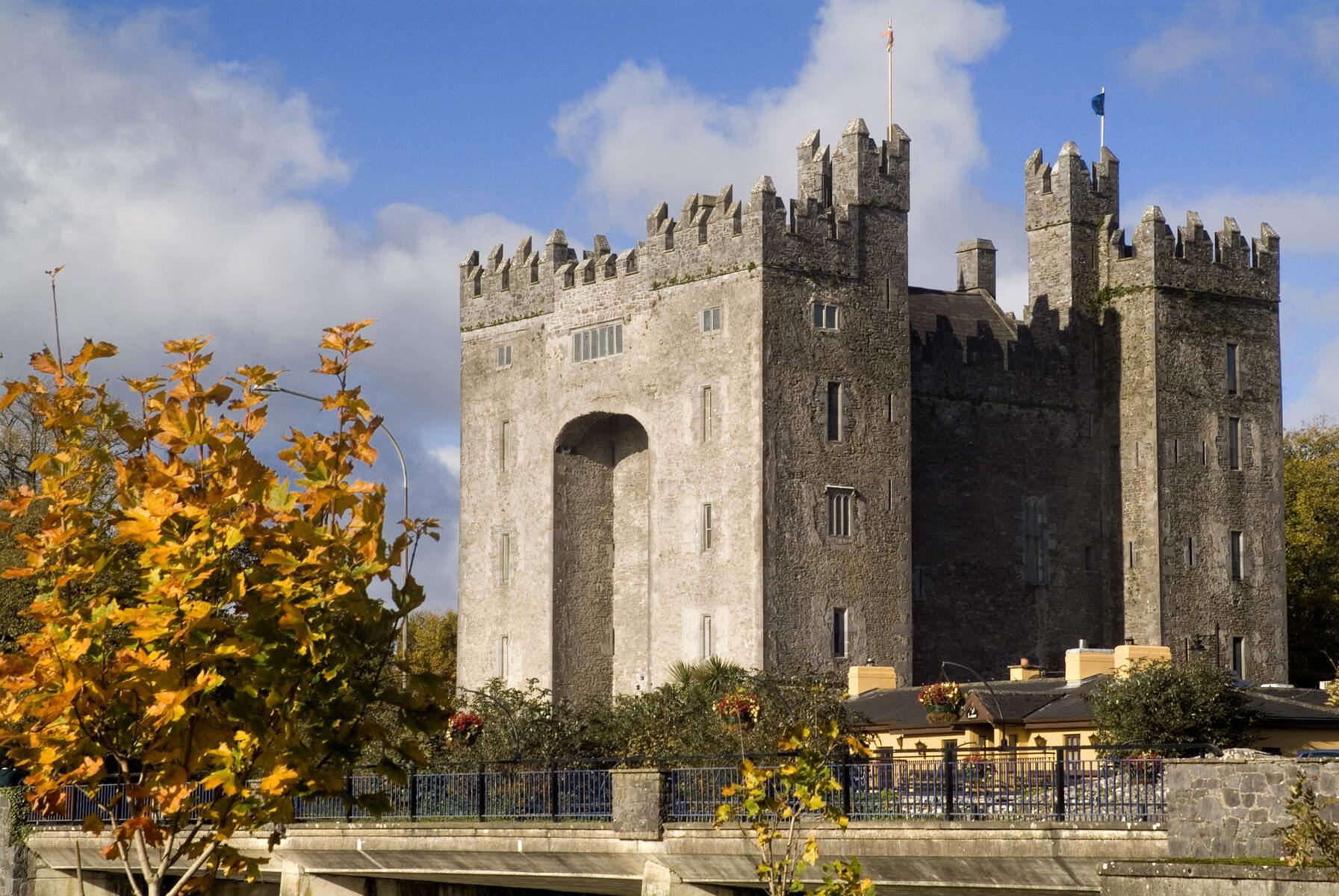
With a legacy that has shaped the skyline of Dublin, James Gandon stands as one of the most influential architects in Ireland's history. Born in 1743, this architect of French Huguenot descent honed his skills under the tutelage of William Chambers in England. Although his contribution to the Nottingham County Hall only partially survives, Gandon's move to Ireland in 1781 would cement his reputation as a master builder.
James Gandon's Journey to Dublin
The streets of Dublin narrate the saga of Gandon's architectural genius, brought to the fore when he was secretly brought into the city amidst public resistance. His relocation was prompted by prominent figures like Lord Carlow and John Beresford, who sought his expertise in overseeing the construction of the celebrated Custom House, and subsequently, the Four Courts. These landmarks, perched on the banks of the River Liffey, are enduring symbols of Georgian Dublin.
Legacy Beyond the Custom House and the Four Courts
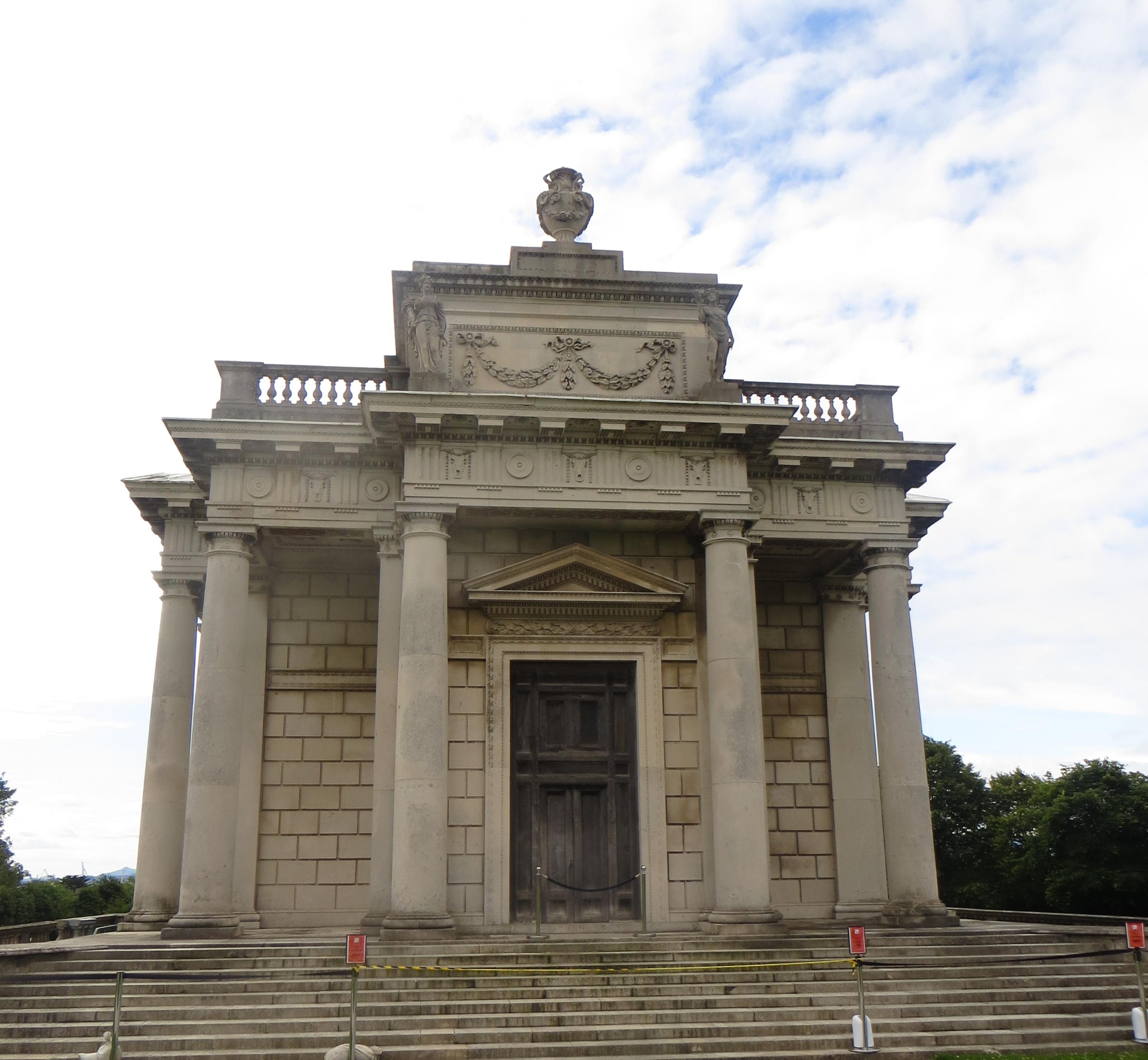
Gandon's contributions extend beyond the well-known riverside edifices. His touch graced the east and west porticos of Pearce's Houses of Parliament, and his style is embodied in the Law Society at King's Inns. While tragedy struck with fires in 1921 and 1922, destroying the interiors of the Custom House and Four Courts, Gandon's architectural influence remained indelible across Dublin's landscape.
When the original architect of the Four Courts, Thomas Cooley, passed away, Gandon seamlessly took the reins, integrating Cooley's existing work into his master plan. This synergy between two architects' visions illustrates the collaborative spirit among Dublin's architectural community in the era.
Gandon's Contributions to Architectural Literature
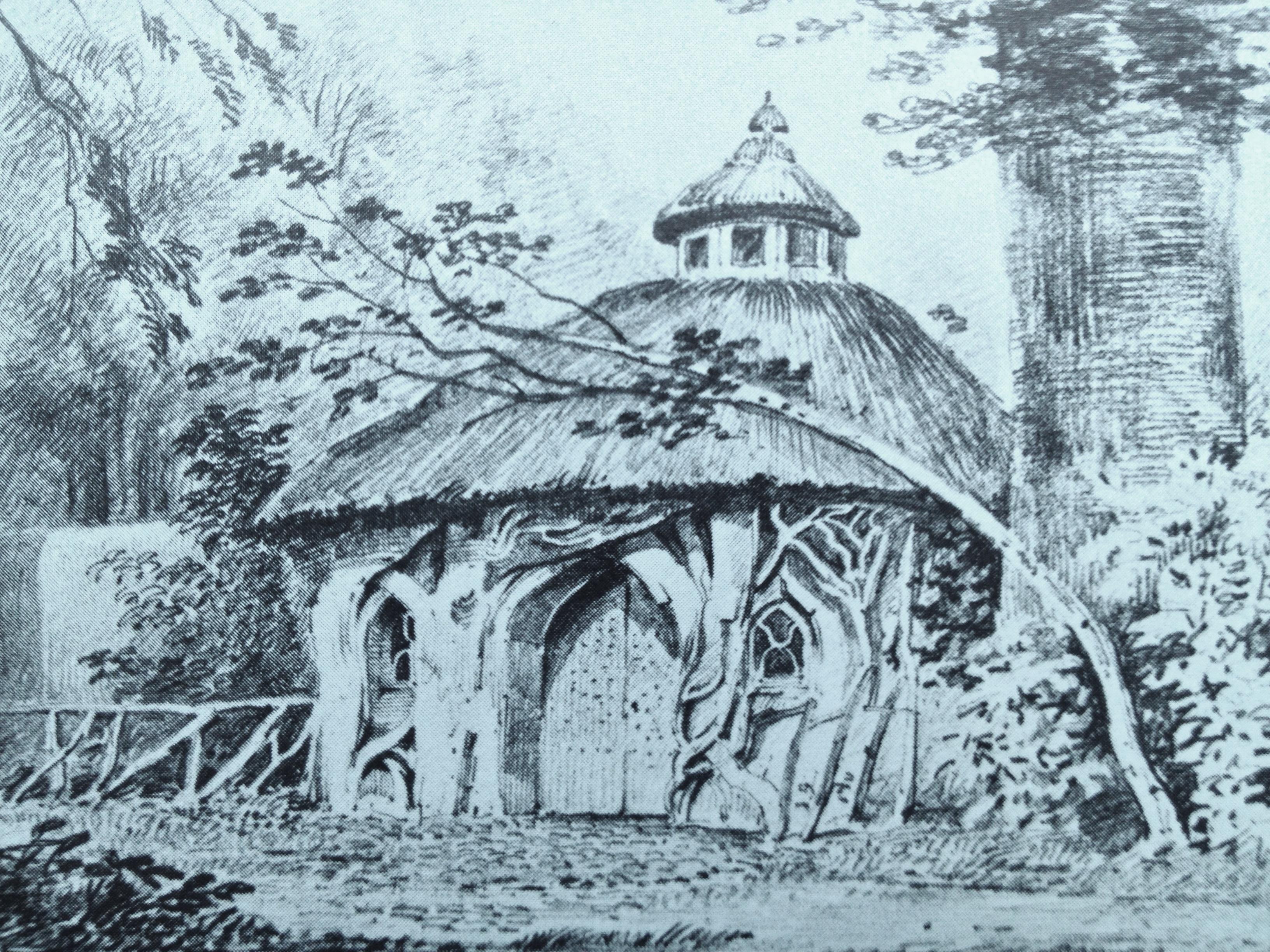
Displaying a profound understanding of classical architecture, James Gandon collaborated with J.Woolfe to publish two additional volumes to "Vitruvius Britannicus" in 1769 and 1771, showcasing his scholarly side alongside his practical architectural accomplishments.
A Permanent Impact on Dublin's Architectural Heritage
Initially viewing his move to Ireland as a temporary endeavor, Gandon eventually followed a path akin to that of Dean Swift, making Dublin his home for 42 transformative years. His departure from England marked the beginning of an Irish architectural saga that would define his life's work. James Gandon passed away in 1823 in his home in Lucan, leaving behind a built environment forever enriched by his designs.
Exploring Gandon's Architectural Footprints
For those intrigued by the history and artistry of James Gandon's work, there are abundant resources that delve into the intricacies of his designs and constructions. Through these explorations, one can gain a deeper appreciation of the architectural heritage that Gandon has bestowed upon Dublin and the wider world of Irish architecture.
Blending Travel and Architectural Exploration
Embarking on a journey to uncover the architectural marvels of Dublin offers a unique convergence of travel and cultural immersion. As you wander through the Georgian streets, the legacy of James Gandon's creations provides a tangible connection to the past, inviting travellers and architecture enthusiasts alike to experience the majesty of Casino, Marino, and the enduring structures that narrate Dublin's storied history.
Dublin
London
Pefkochori