Introduction
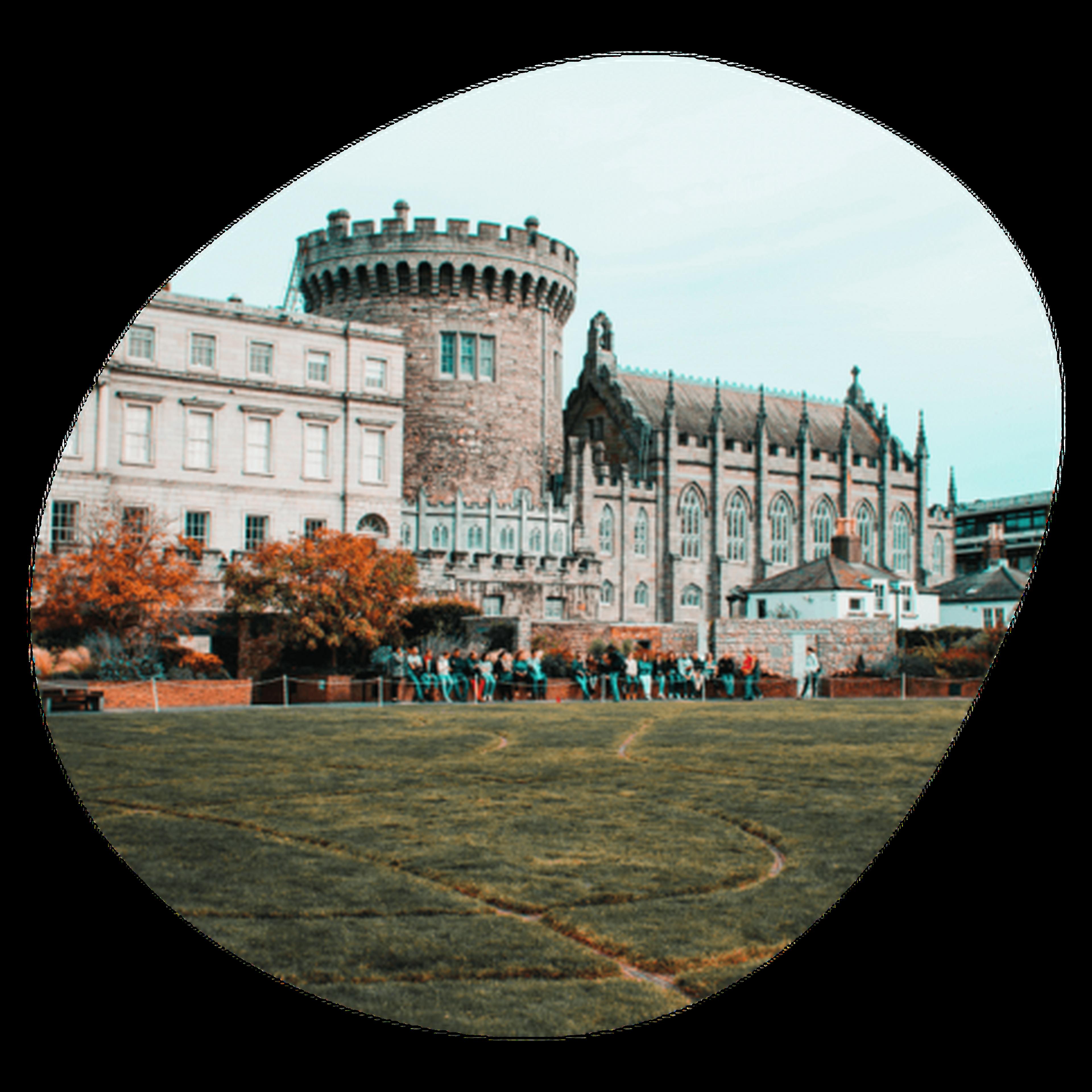
Dublin, the capital city of Ireland, is a tapestry of architectural styles, each thread representing an era of the city's colourful history. From its earliest settlements to the bustling metropolis it is today, Dublin's architecture tells a story of conquests, prosperity, and innovation. This exploration uncovers the milestones in Dublin's architectural heritage and the figures that shaped its skyline.
Medieval and 17th Century
Dublin's earliest buildings stem from a bygone era when stone and resilience carved out the cityscape. With robust fortifications and modest abbeys, this period laid down the rough outline of the city, imploring future generations to build upon its sturdy foundations.
18th Century: The Georgian Landmarks of Dublin
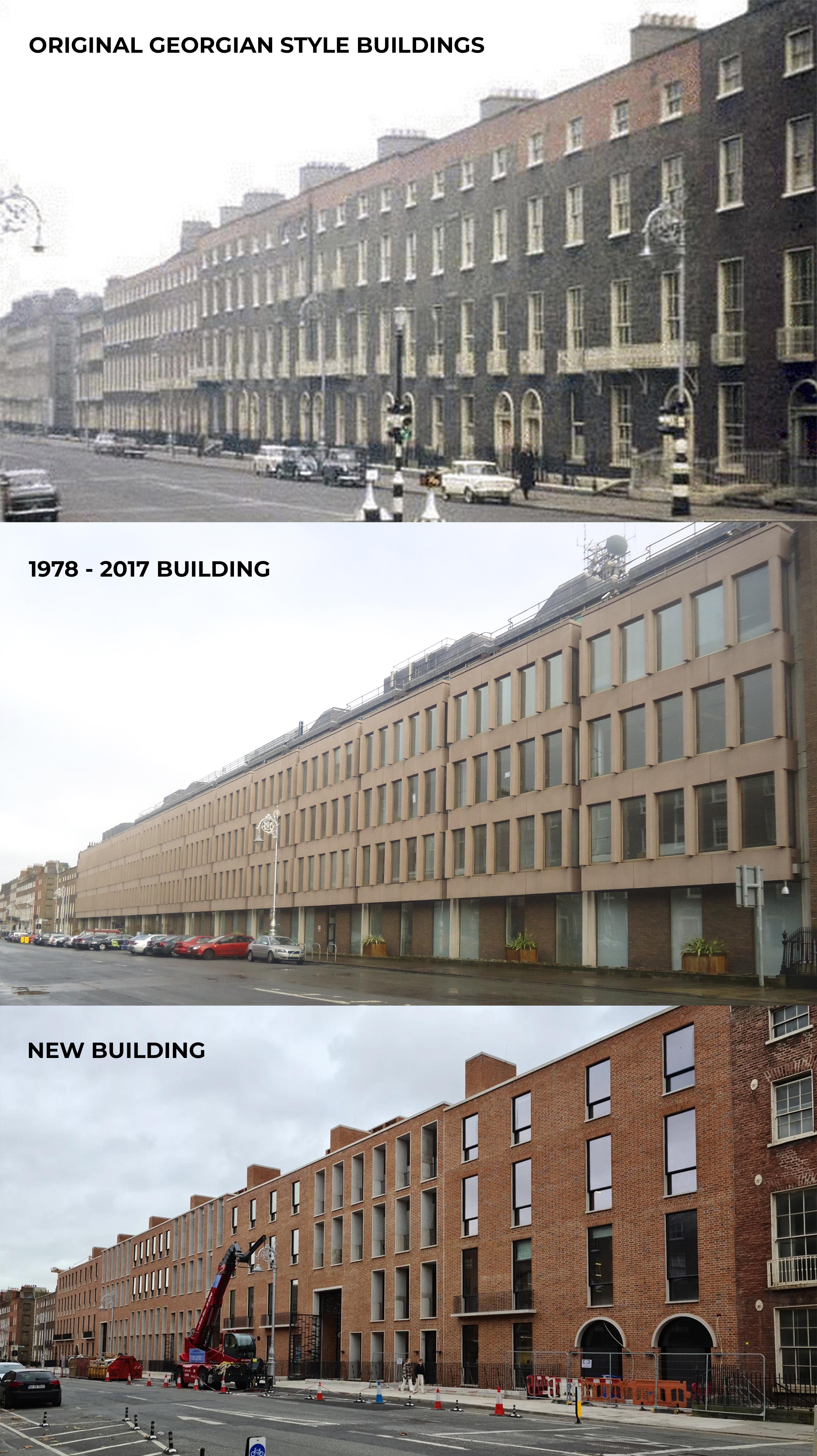
The Georgian Era saw Dublin transform into a city of grandeur with its hallmark red-brick terraces and ornate doorways. During this period, Dublin flourished with cultural and aesthetic splendour, adding a layer of elegance to its growing map.
19th Century: Victorian Dublin
As the industrial revolution took hold, Victorian influences seeped into Dublin's streets, with Gothic and Neoclassical styles featuring prominently. These buildings stand as a testament to a time when Dublin strove to present itself as a city of progress and power.
20th Century: Dublin's Modern Buildings
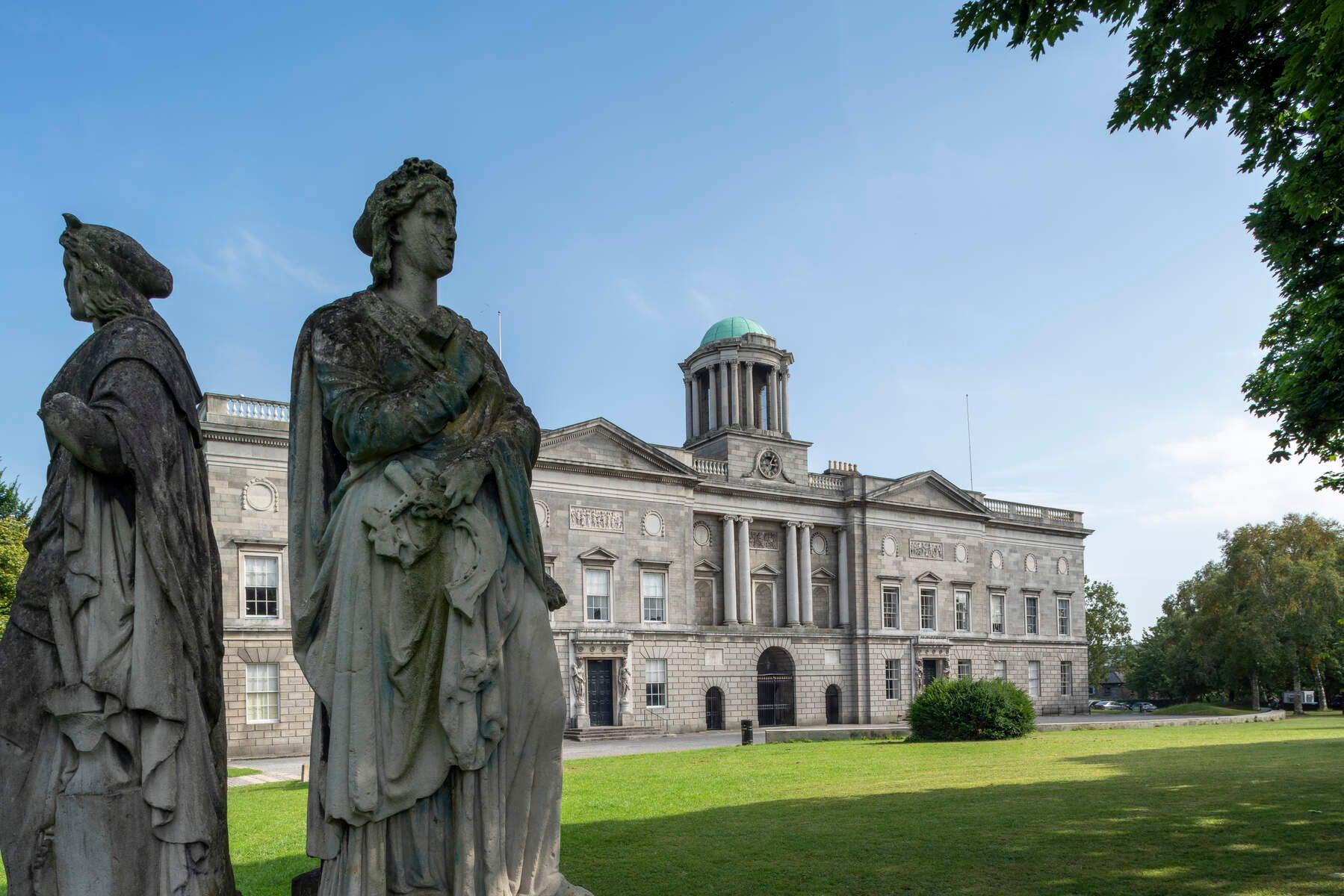
The 20th century brought with it an eclectic mix of designs, as modernist and post-modernist architecture made their marks. The period is characterized by a striving for functionality, balancing Dublin's historic ambiance with the needs of a contemporary capital.
City Planning and Development
This section traces the intentional shaping of Dublin's streetscape, examining how planned developments and zoning decisions have influenced the city's overall structure and face.
Biographies
Key figures who played a defining role in the architectural development and character of Dublin are spotlighted here, revealing the human stories behind the city's edifices.
Bridges
Crossing the iconic River Liffey, Dublin's array of bridges not only connect the city's two halves but also showcase a timeline of design trends, engineering feats, and communal linkage.
Dublin Castle
At the historical heart of Dublin sits Dublin Castle, a site with a complex past, embodying centuries of power dynamics, administrative evolution, and cultural significance.
Trinity College
Home to the Book of Kells and the heart of intellectual life in Dublin, Trinity College exemplifies historical university architecture, with its iconic campanile and classical courtyards.
Temple Bar
Often referred to as Dublin's 'Left Bank', Temple Bar is a cultural enclave, sporting cobbled streets and an eclectic architectural mix that reflects its bohemian spirit.
Georgian Doorways
A distinctive feature of Dublin's architectural identity, the Georgian doorways, with their vibrant colours and intricate fanlights, represent an enduring symbol of the city's 18th-century elegance.
Streetnames
The derivation of Dublin's street names often hints at the city's history, immortalizing notable individuals, historical events, and the evolving identity of the city's quarters.
Conclusion: Dublin as a Travel Destination
Travelers to Dublin not only witness a city rich in history but also experience an architectural odyssey. It's a journey that offers insight into the past while inviting visitors to partake in the living narrative that is contemporary Dublin. As one traverses through neighbourhoods, crosses historic bridges, and admires the serene beauty of Georgian doorways, the architectural treasures of Dublin provide a silent yet eloquent guidebook to the heart and soul of this vibrant city.